From the Shelf to the Table: Finding a Way to Play Solo
I’ve spent a lot of time painting miniatures, but lately I’ve realised something: I haven’t been playing nearly as many games with them as I would like.
It’s not that I don’t want to play; quite the opposite. I love the idea of getting models onto the table, setting up some terrain and actually using the things I’ve spent hours painting.
The problem is finding the time.
Getting to a game night can be difficult. Life gets busy, plans change and sometimes organising a game with other people just isn’t practical. Before long, the miniatures end up back on the shelf, waiting for another opportunity.
So I started looking for another option.
Can You Play Wargames by Yourself?
I decided to ask ChatGPT for some recommendations for single-player wargames and ideas for where to start.
There are actually quite a few games designed specifically around solo play, and I was surprised by how many options were available.
A few that caught my attention were Five Parsecs From Home, Rangers of Shadow Deep and One Page Rules, which also supposedly has a single-player option. These are three games I definitely want to investigate further, and hopefully I’ll get the chance to try them properly.
But during the conversation, ChatGPT also suggested something else.
It could create a basic solo wargame for me.
At first, I wasn't expecting much. I certainly wasn't looking to replace the amazing games created by the many talented designers and manufacturers in our hobby.
I was simply curious.
Could it make something simple enough that I could set up a game using the miniatures I already own and the limited time I have?
Apparently, it could.
Two Nights, Some Cardboard and a Lot of Curiosity
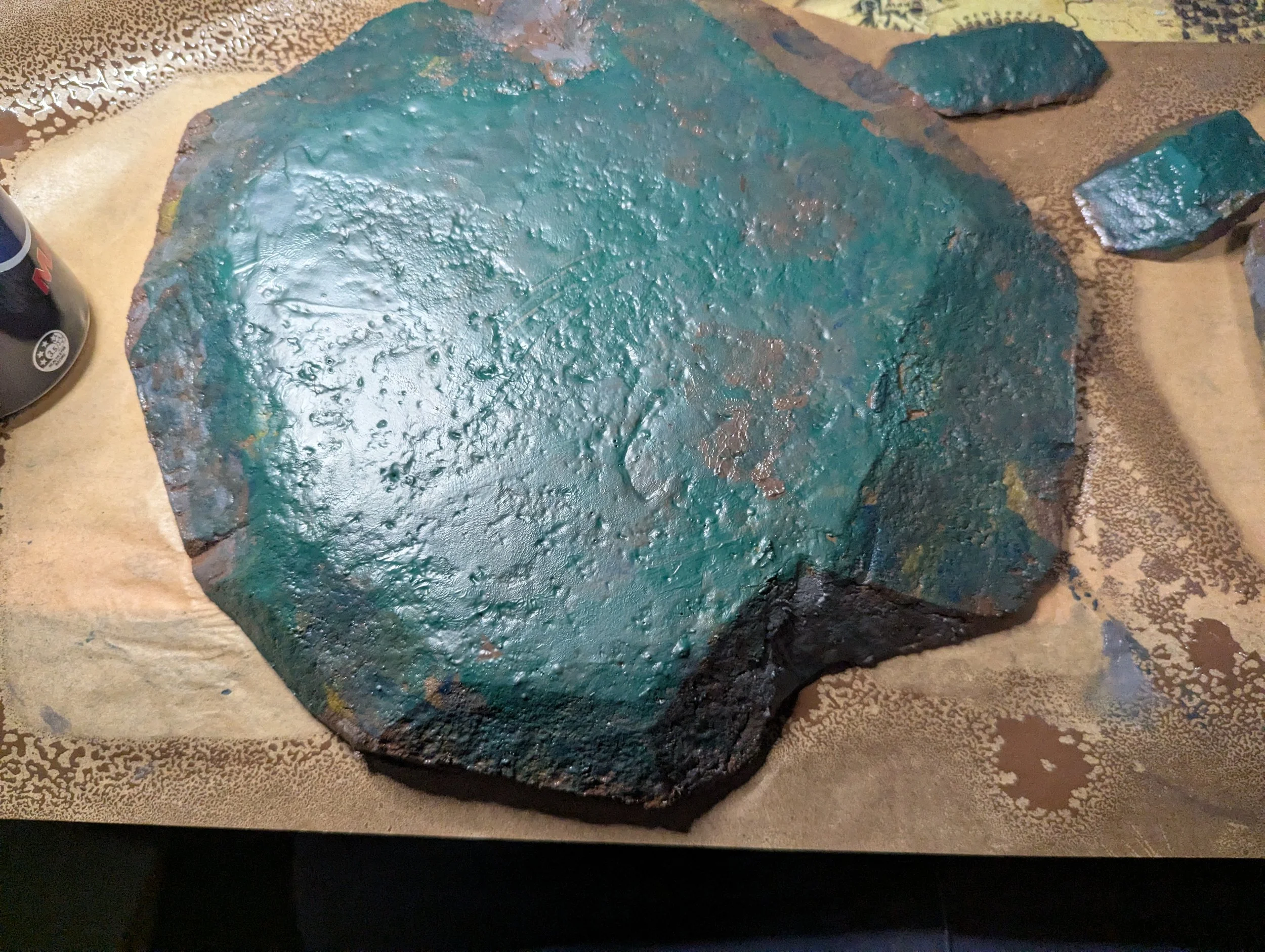
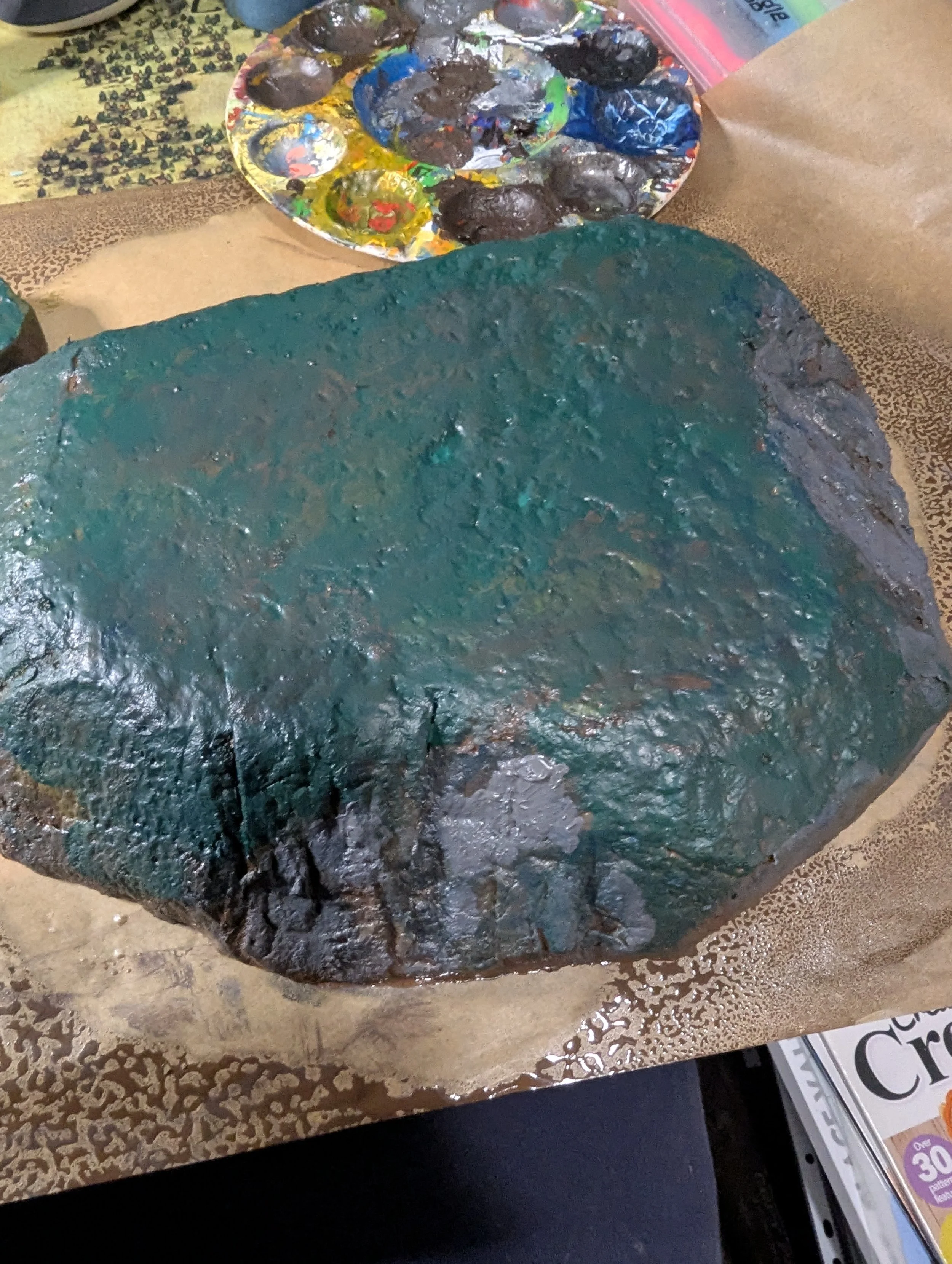
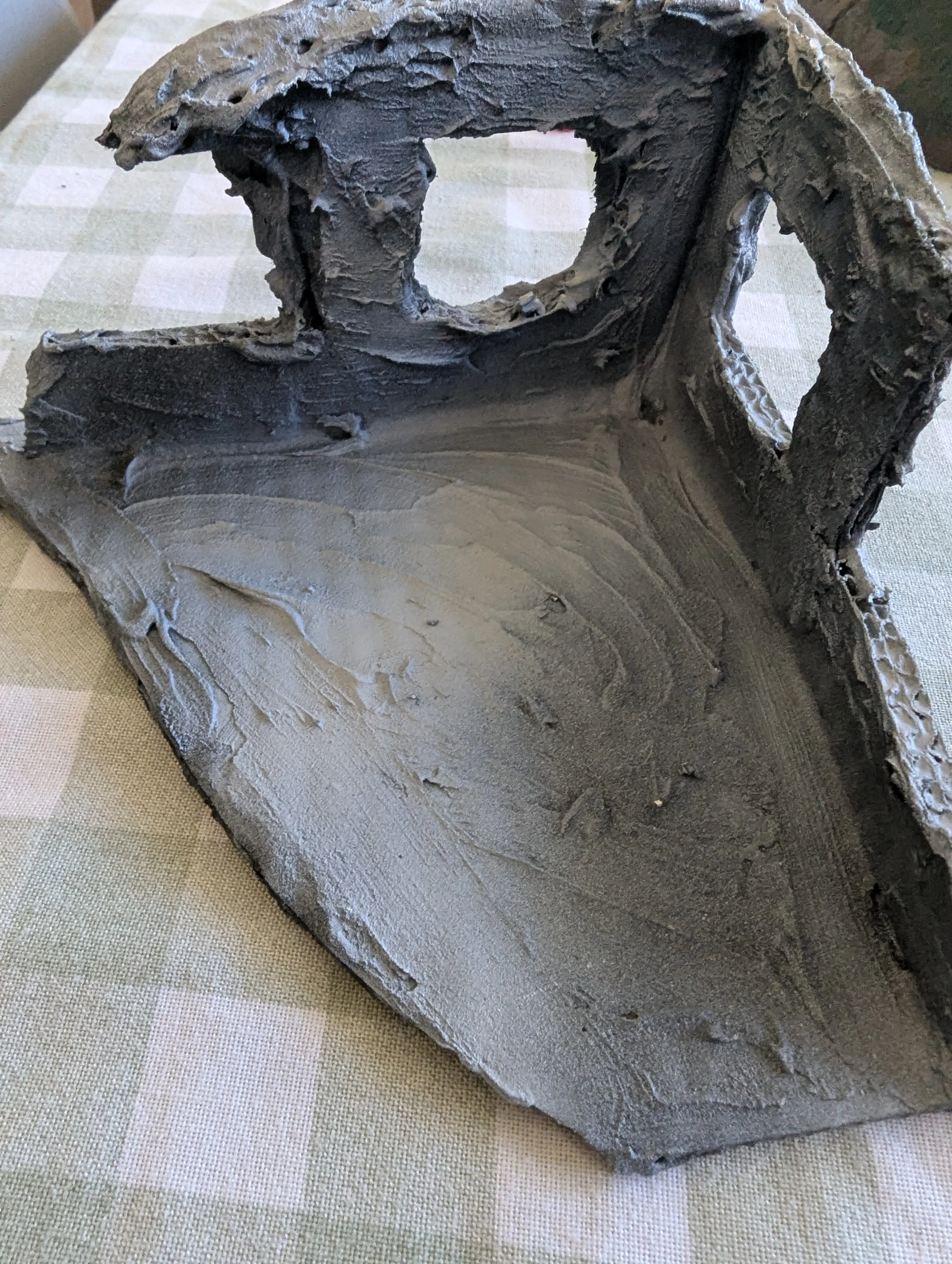
The rules were deliberately simple.
I didn't need a huge collection of specialised terrain, complicated objectives or a massive army.
I just needed something I could actually play with.
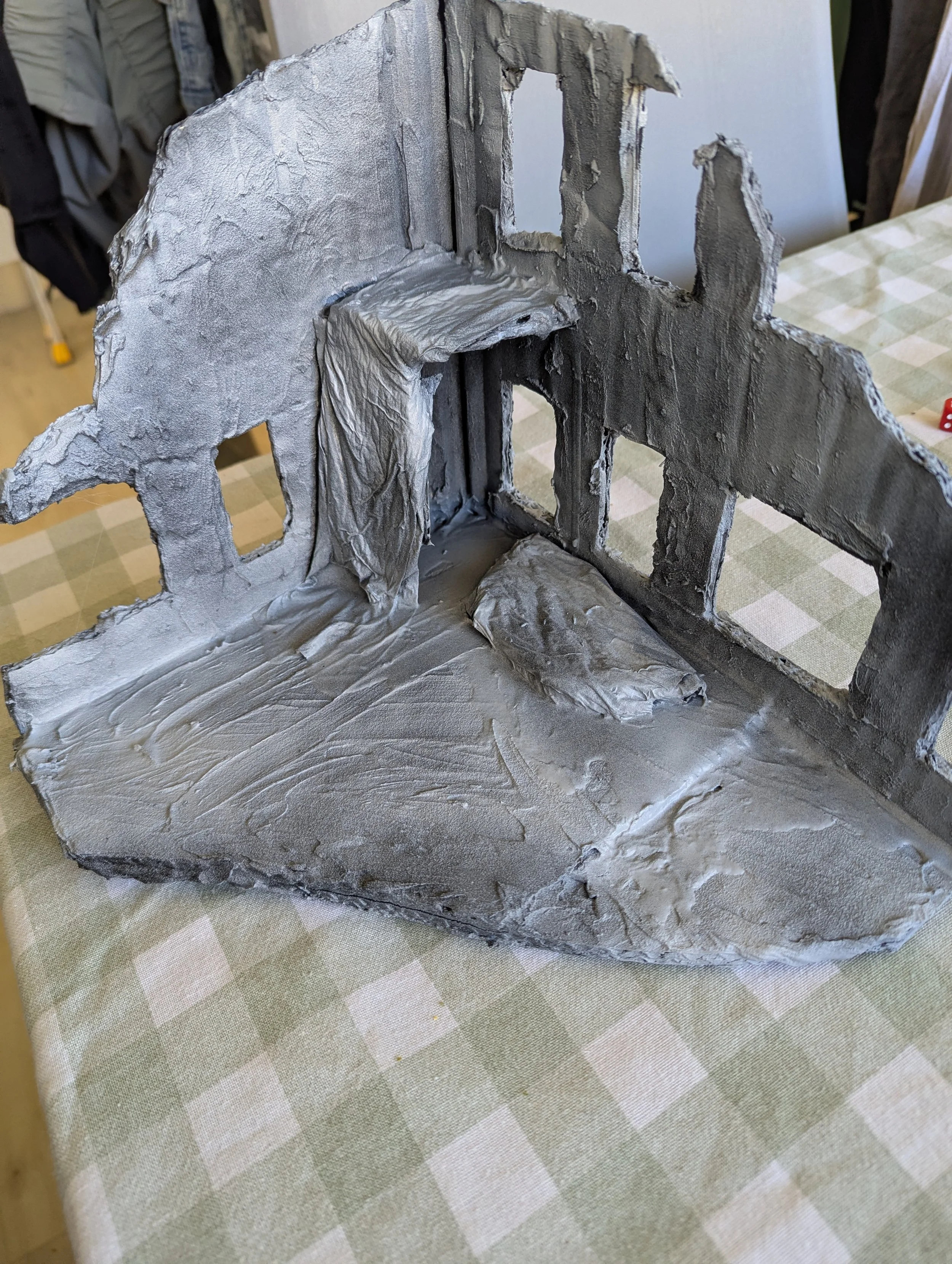
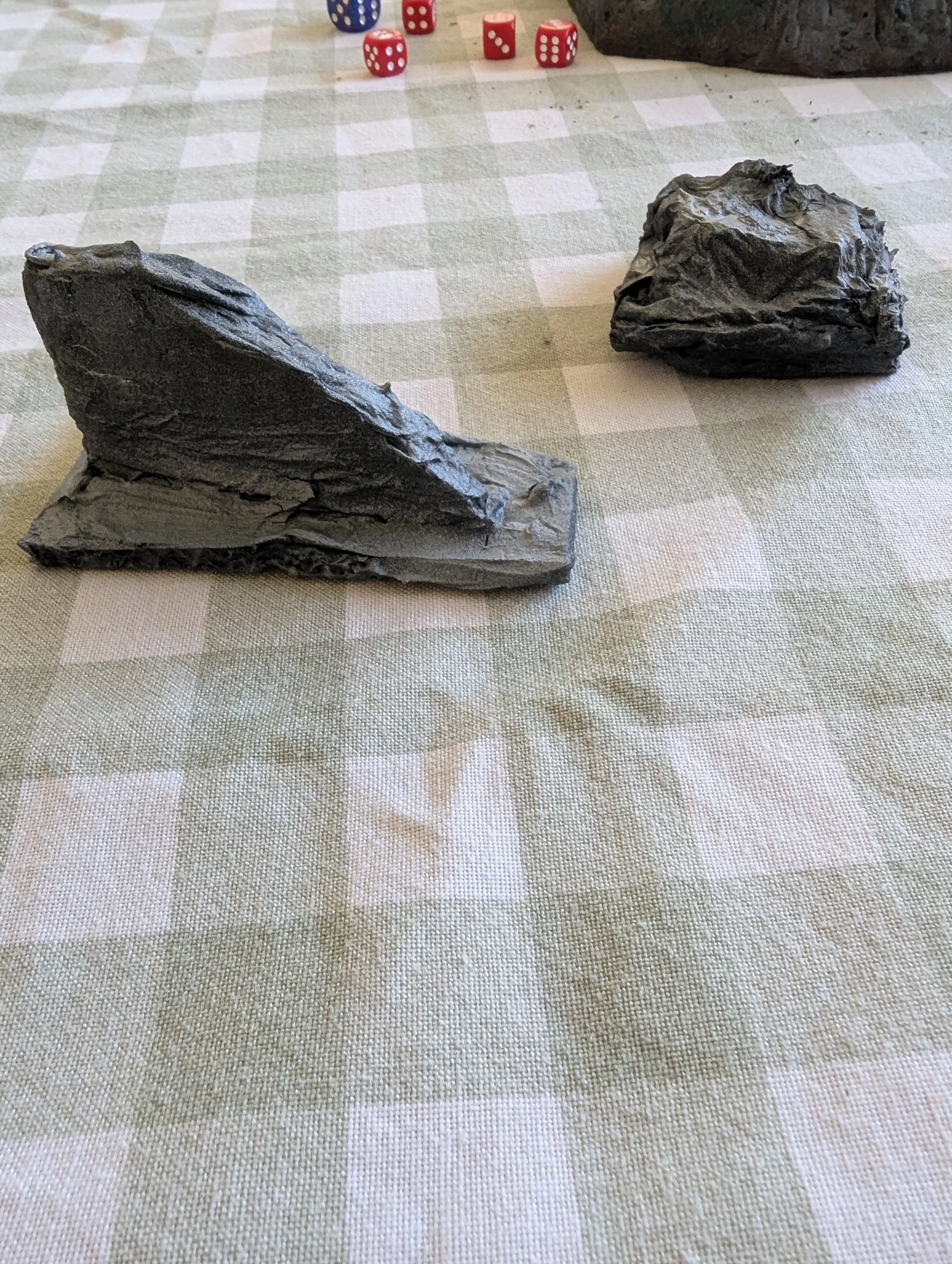
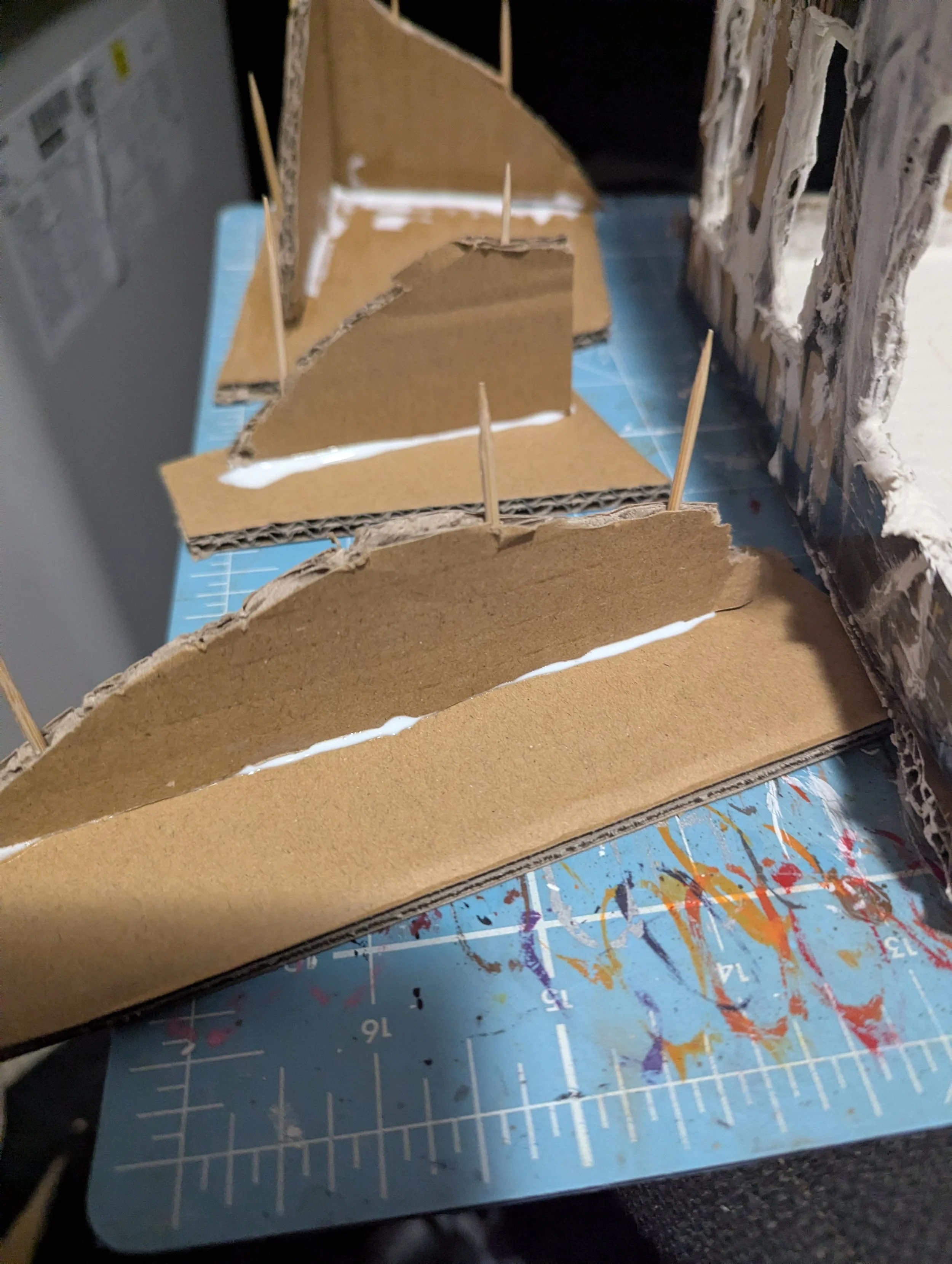
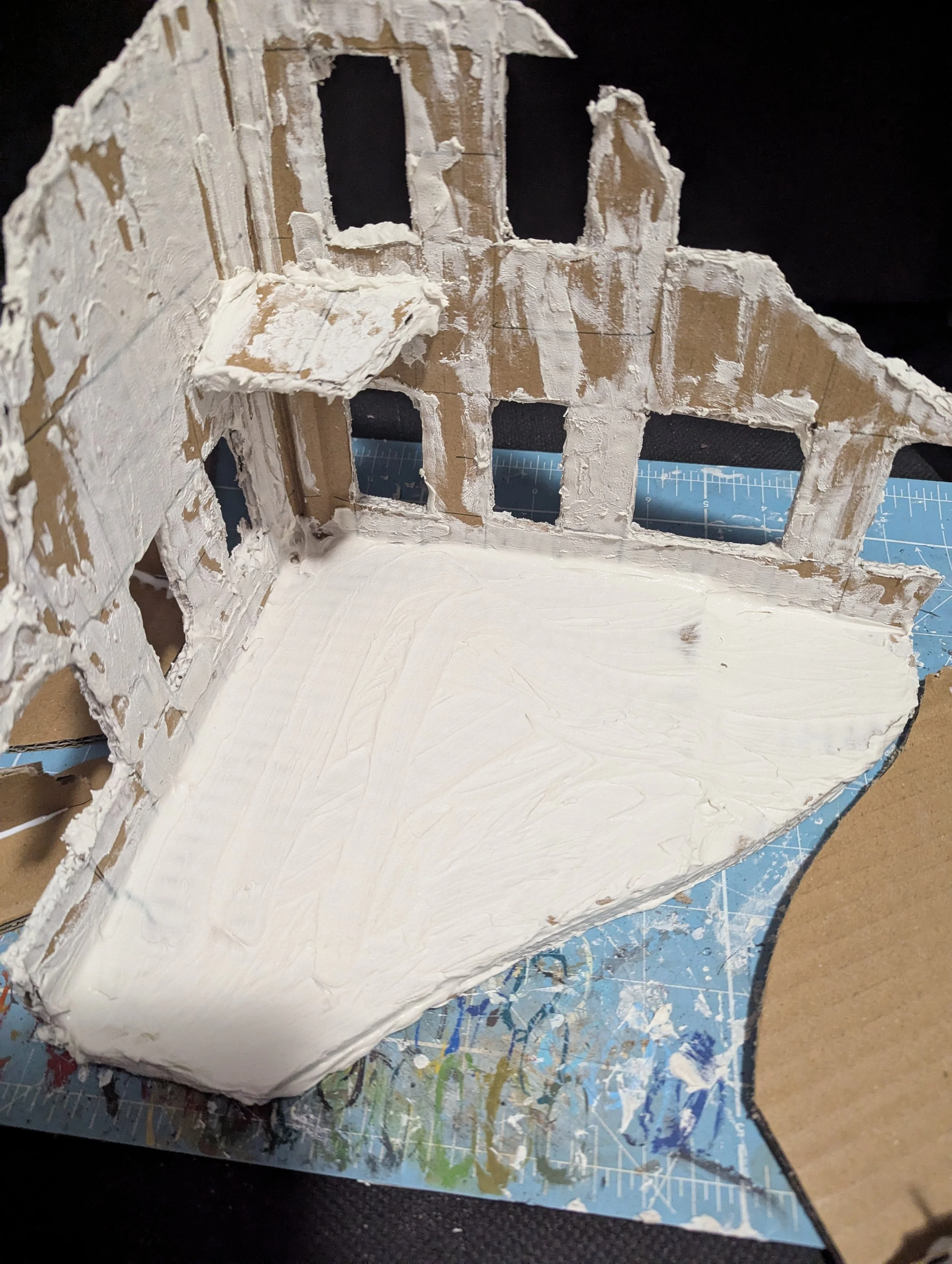
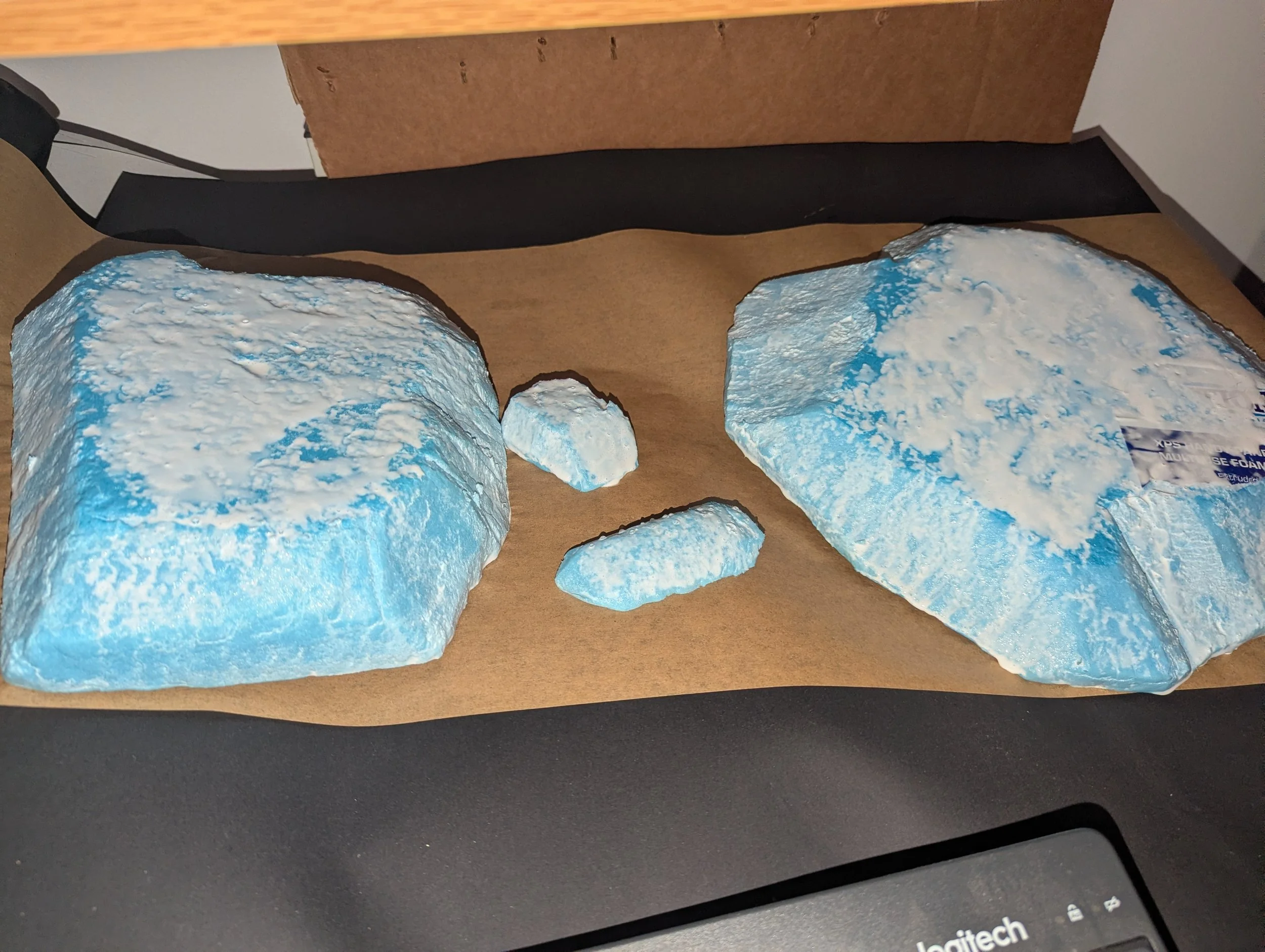
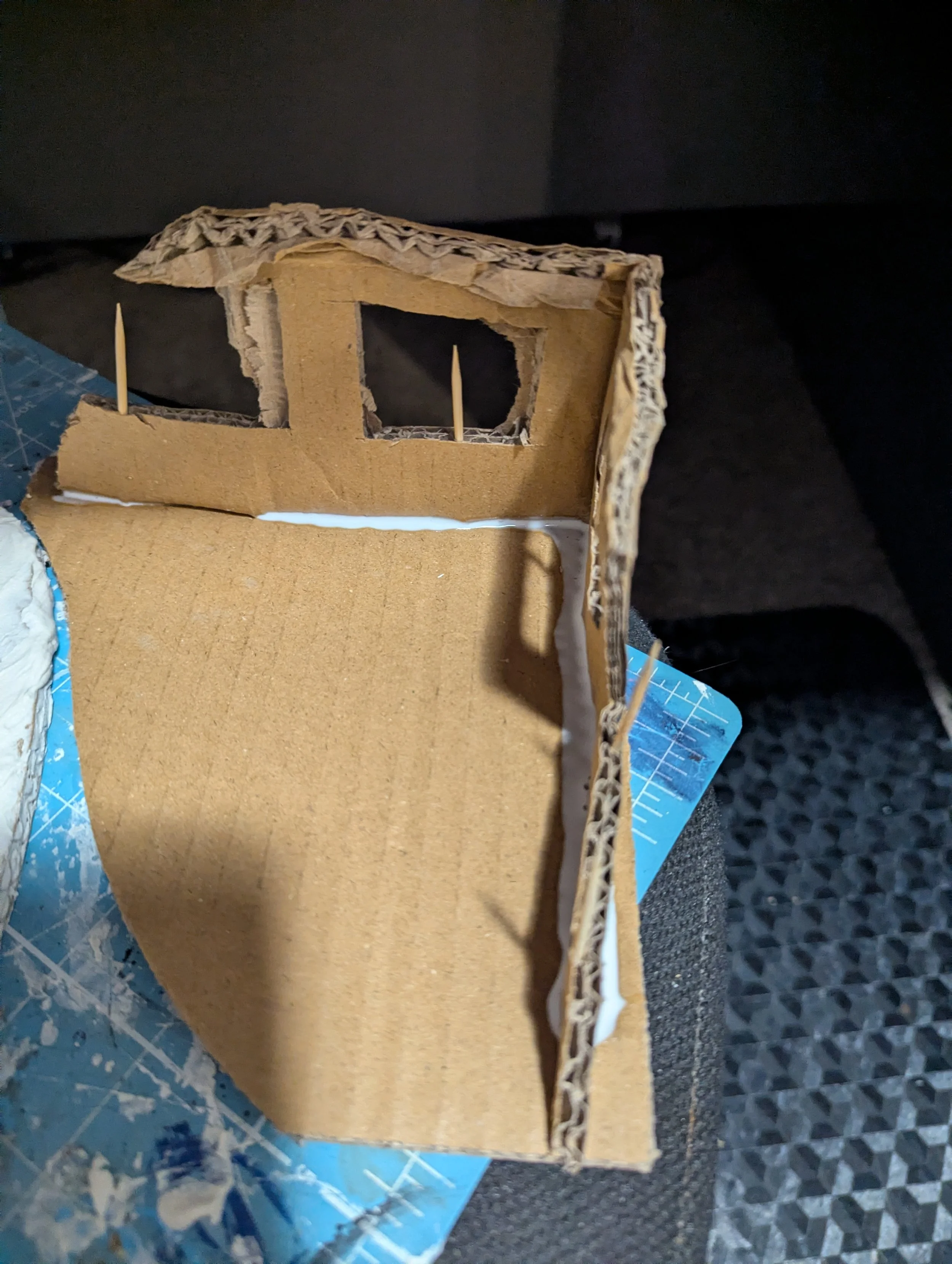
You can absolutely play with some boxes and cans as terrain but I wanted a little bit more and it gave me an excuse to do something I've wanted to try for a while: build some terrain.
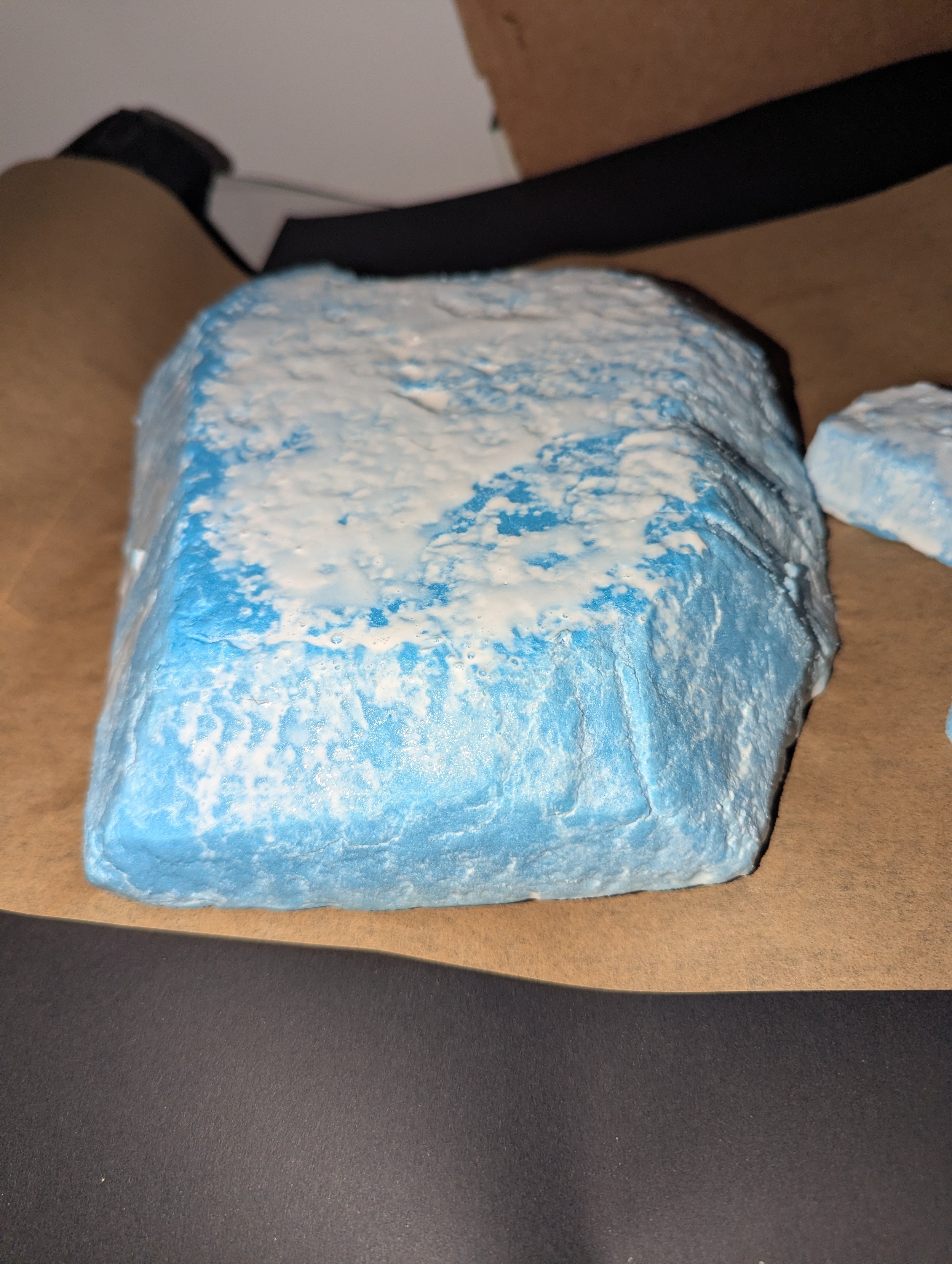
I grabbed some cardboard and foam and started experimenting.
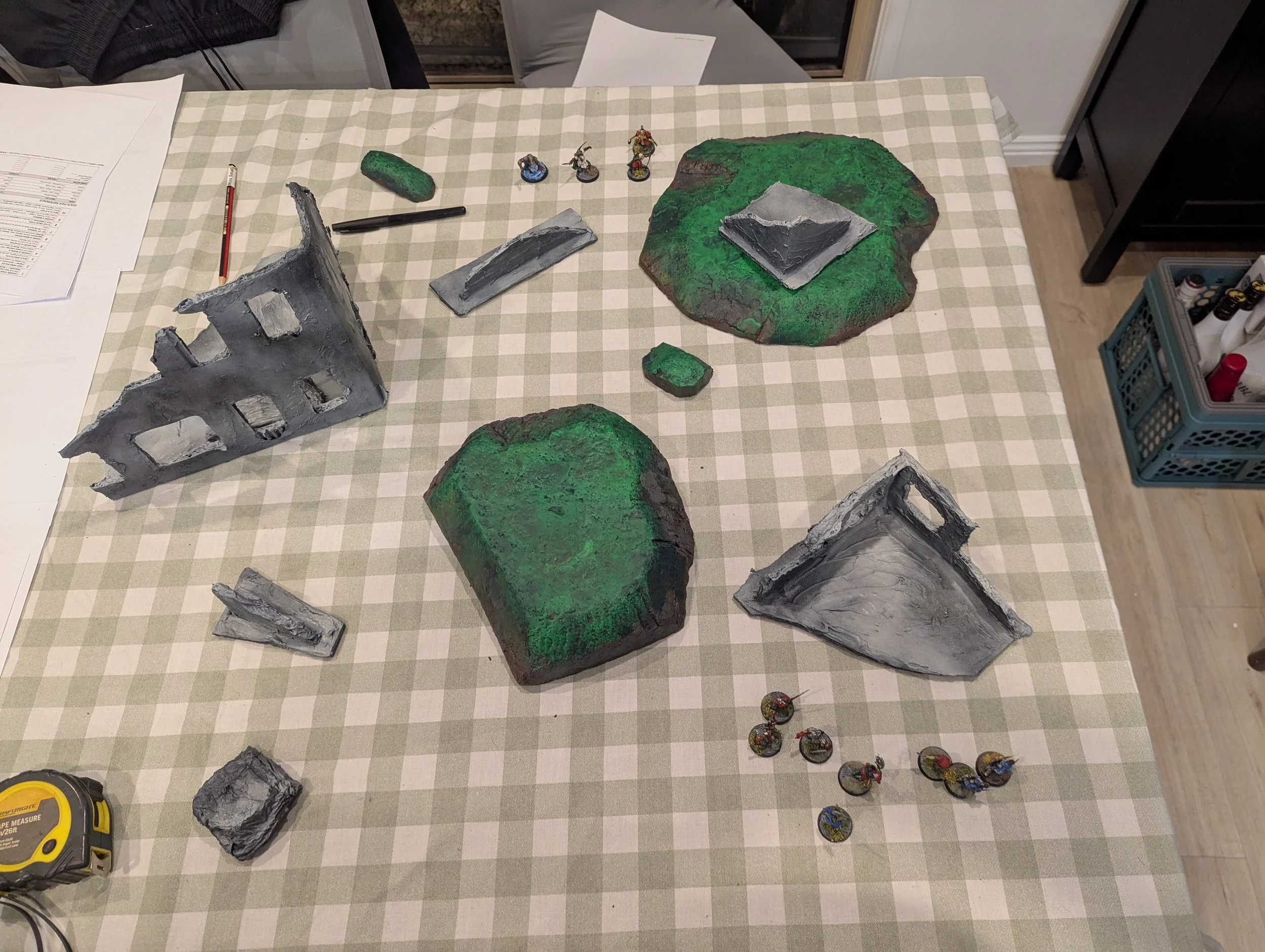
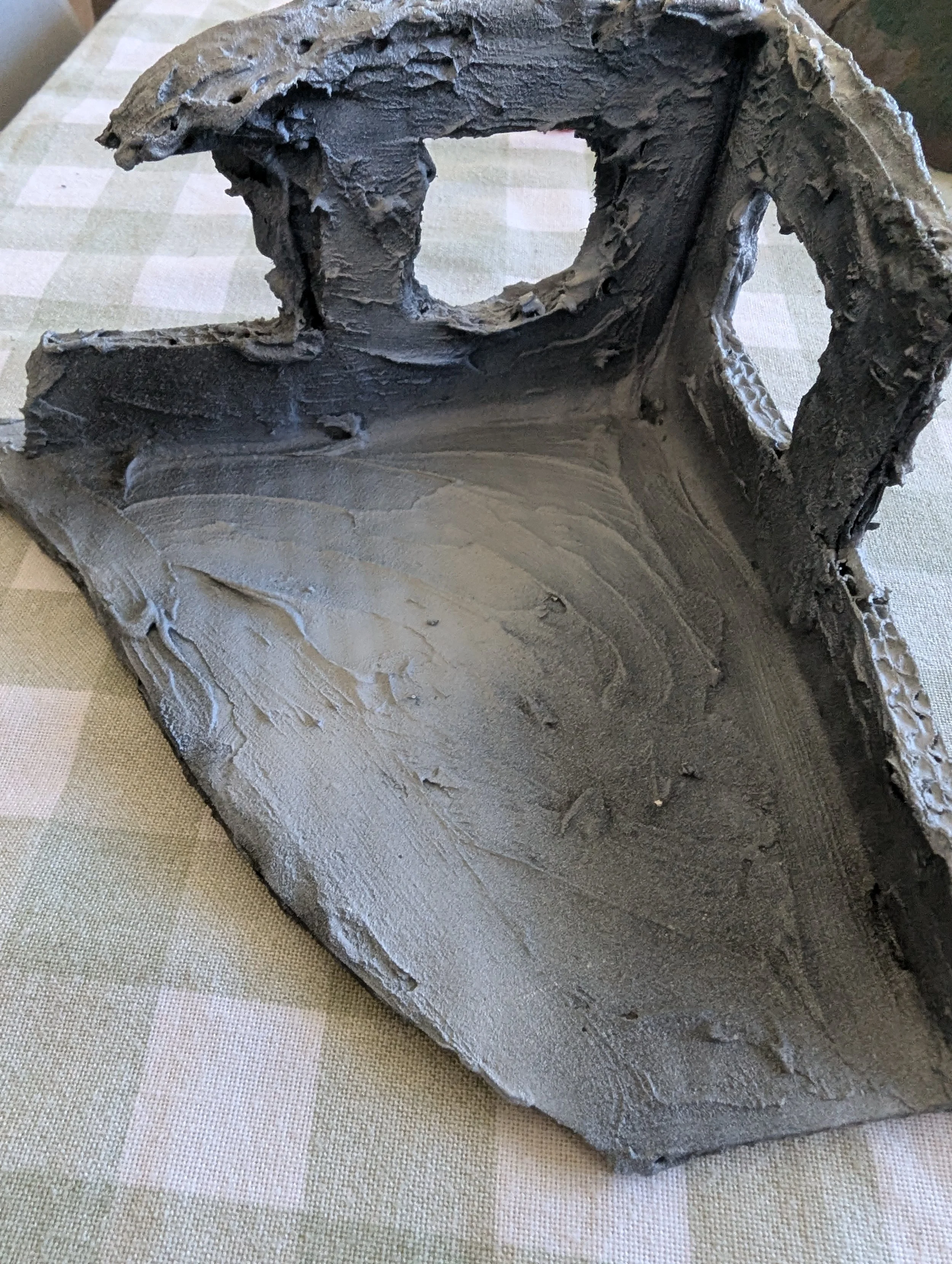
Two nights later, I had a small gaming board with some basic terrain ready to go.
It wasn't a professionally produced gaming table. It wasn't even particularly complicated.
But that didn't matter.
It was enough and, more importantly, it was something I had made myself.
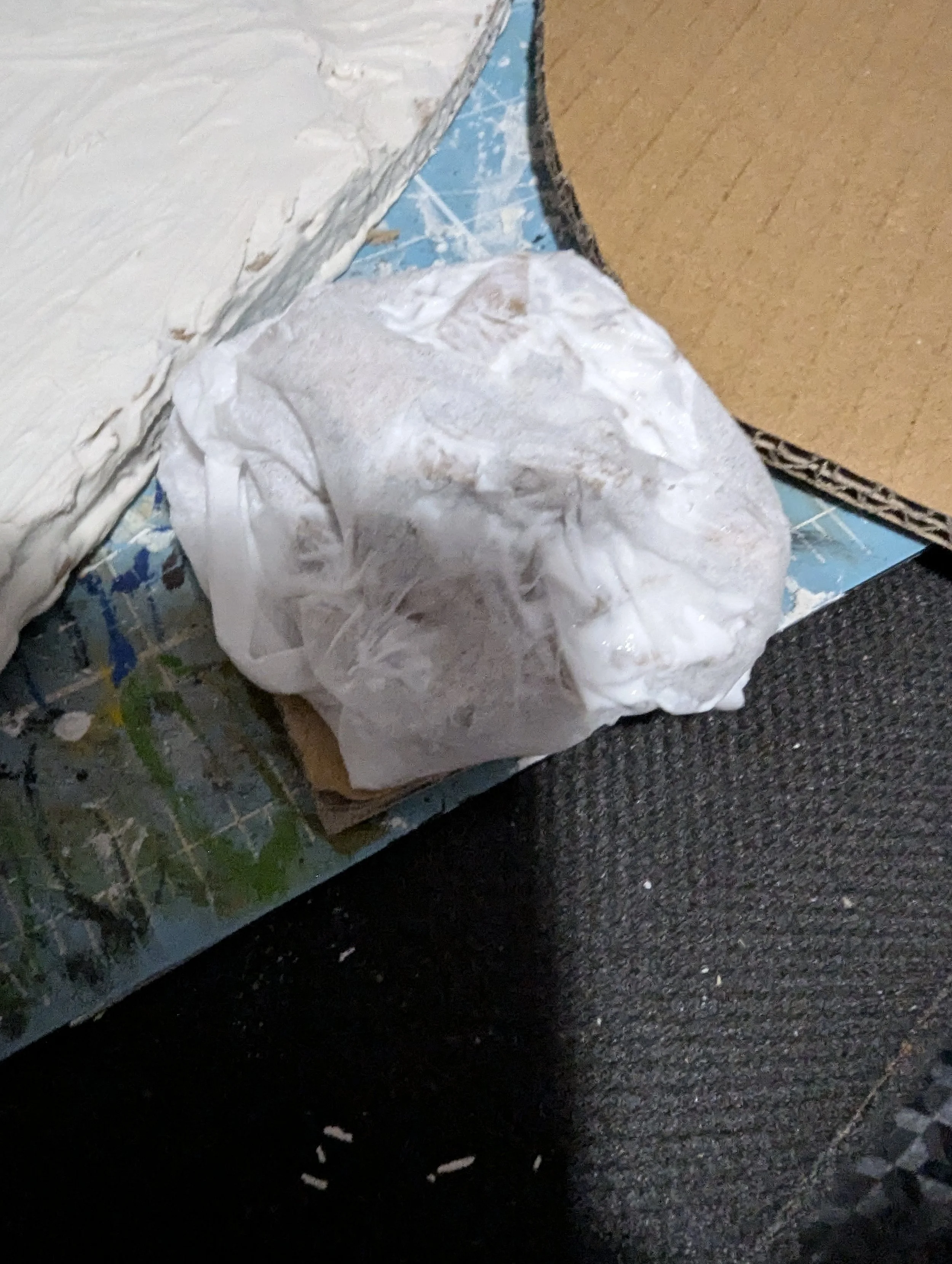
I’m planning to put together another post about how I made the terrain, because the whole process was surprisingly quick and easy. For someone who has spent years painting miniatures but hasn't spent much time building terrain, it was a great little project. I found it a great way to get started.
Finally Getting the Miniatures Off the Shelf
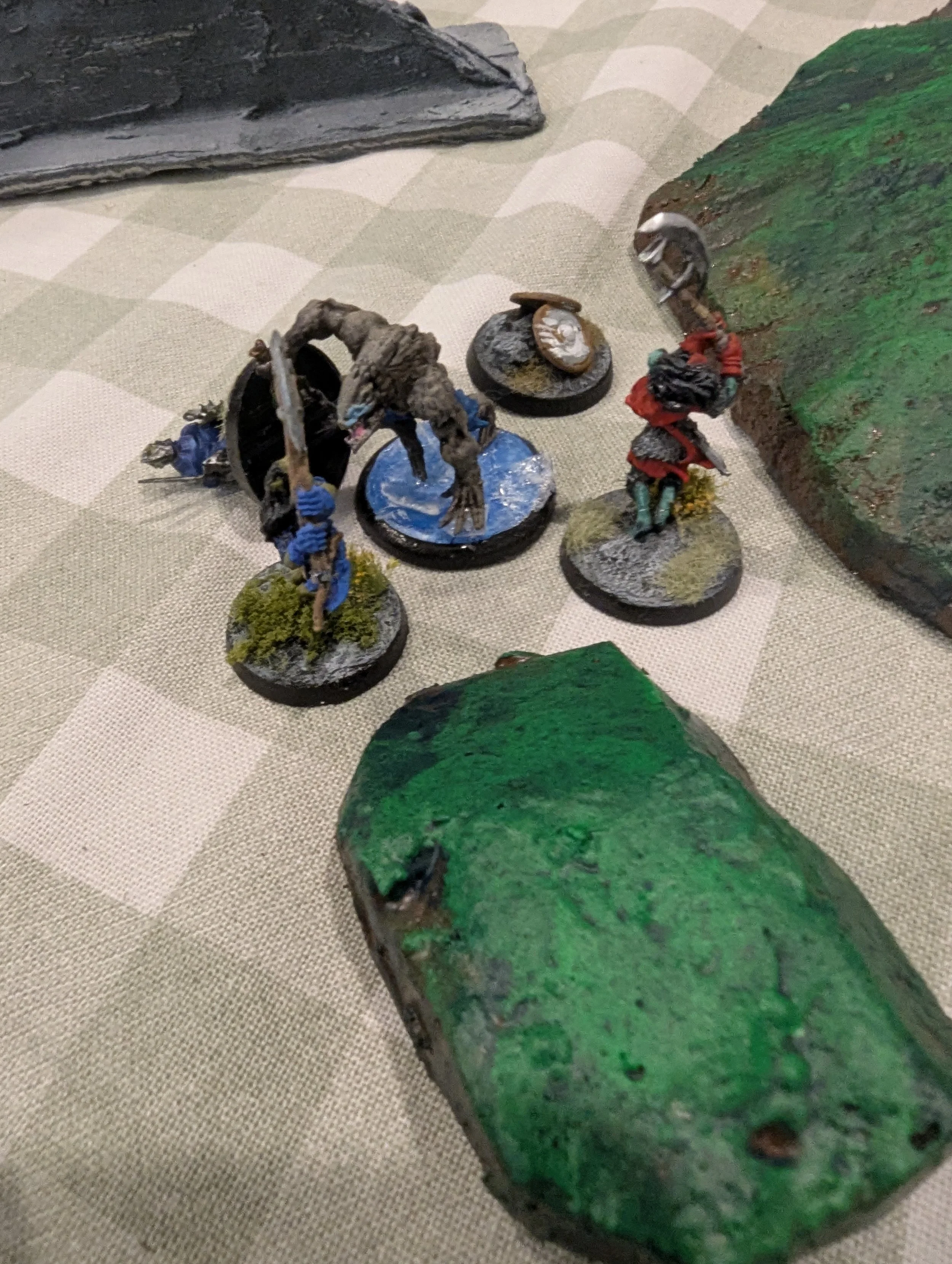
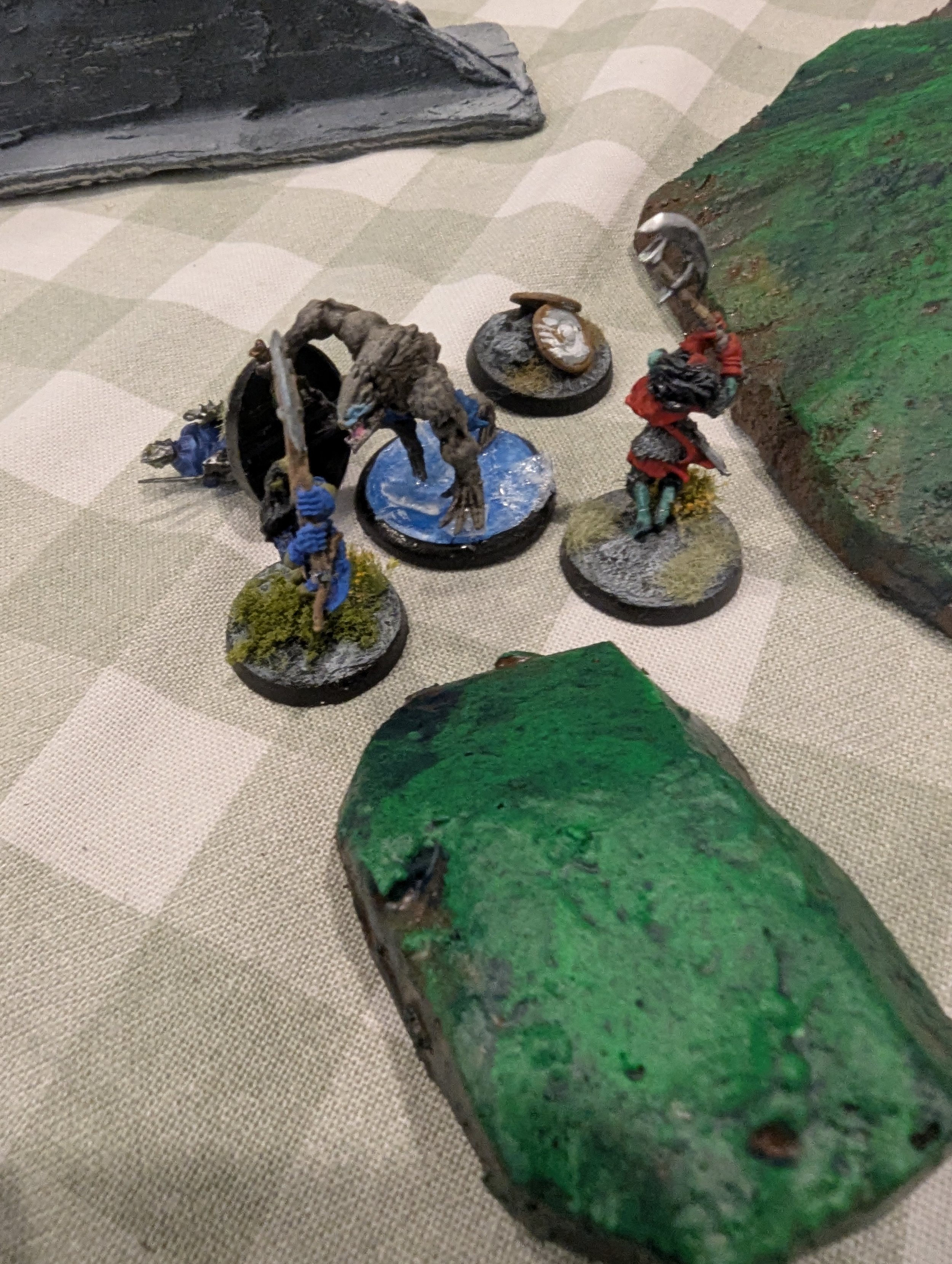
My Brute vs 2 Enemy Brutes and 1 Warrior
The best part wasn't actually making the game.
It was playing it.
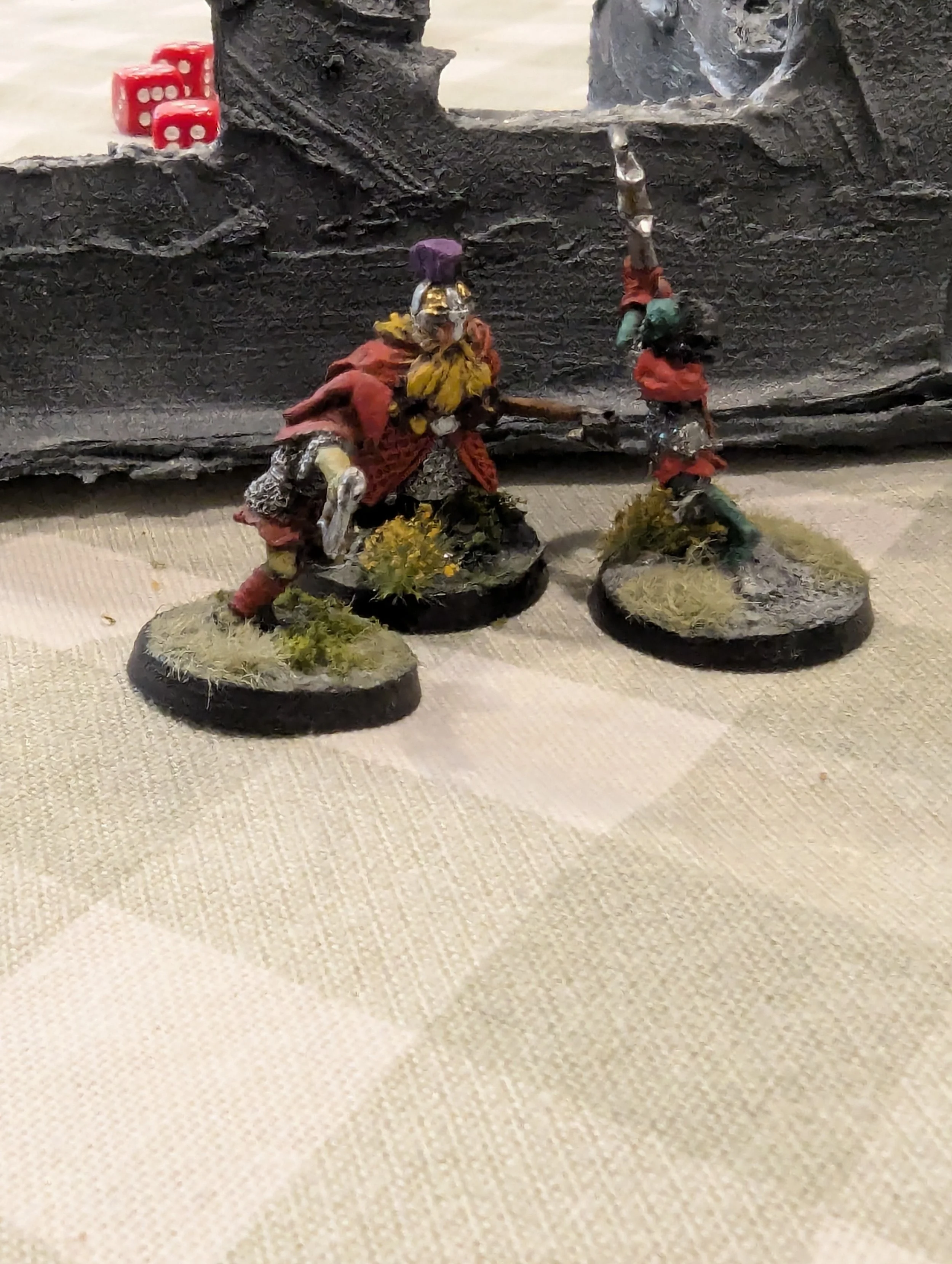
For years, I've accumulated miniatures for all sorts of different projects. Some have been painted for competitions, some have been display pieces, and others were simply models I really enjoyed painting.
A lot of them haven't seen a gaming table in years. Some probably never have.
That suddenly felt a little strange.
I've spent countless hours painting these little characters, monsters and soldiers, but many of them have just ended up sitting on a shelf.
This gave me a reason to actually use them.
The game created is incredibly basic, and I know it isn't supporting the amazing game manufacturers and designers who create the games that make our hobby what it is.
That isn't really the point.
For me, this was about removing the barrier between “I want to play a game” and actually playing one.
There was no need to buy a new game and wait for it to arrive.
There was no need to organise a game night.
No need to find an opponent.
No need to learn a huge rulebook before getting started.
I could simply put some terrain on the table, grab some miniatures and play.
Maybe Gaming Doesn't Have to Be Complicated
One thing this experience has made me realise is that gaming has always been a bit of an afterthought for me.
Painting comes first.
Building comes first.
Projects come first.
Gaming has usually been something that happens when the opportunity presents itself.
But this little experiment has made me want to change that.
There is something really satisfying about seeing a miniature you've painted actually doing what it was made for.
A model that has spent years sitting on a shelf suddenly becomes part of a story.
A display piece becomes a character.
A unit you've painted becomes something you can actually put into battle.
And because the game is so quick to set up, it doesn't feel like I need to dedicate an entire day to it.
I can just play.
What's Next?
I'm definitely going to explore some of the dedicated solo games that were recommended to me.
Five Parsecs From Home and Rangers of Shadow Deep are now on my list of games to investigate, and I'd love to see how they compare to the very basic system the AI created.
I'm also going to keep experimenting with my own little game.
There are plenty of things I could improve, and I'm sure the first version will look very different from whatever I end up playing later.
But that's part of the fun.
This isn't about creating the perfect wargame.
It's about finding a way to play.
And perhaps most importantly, it's given me a reason to open the cabinet, reach past all those models I've forgotten about and ask myself:
“What would happen if I actually played with these?”
I think it's time to find out.
On to the next.
And remember: Always Paint Your Way