
Posts

Picking Up Where I Left Off
After a week away from miniature painting due to work and exhaustion, I picked up the brush and finished my Squig Rider almost as if I'd never stopped. In this post, I reflect on how we can step away from our hobbies without losing our progress, while sharing the final highlights, non-metallic metal on the scythe, and counter-shading techniques I used to bring the Squig to life.
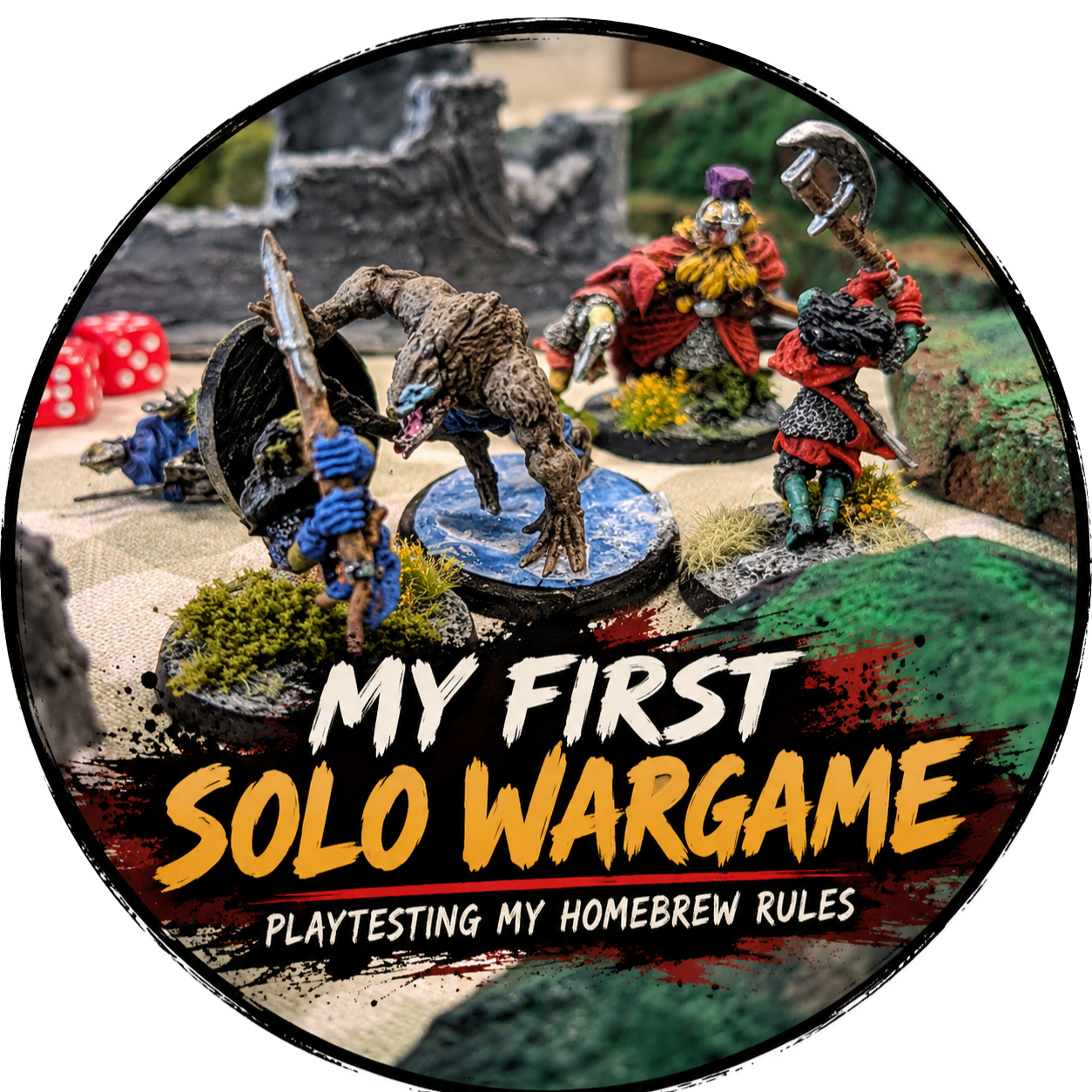
My First Solo Wargame – Putting the Rules to the Test
After building the terrain and creating my own simplified wargame rules, I finally played my first solo game. It was a quick 1.5-hour battle that tested the rules, the teams and my ability to survive against the AI. I lost 8–11, but the game showed me what worked, what needed changing, and where I want to take the project next.
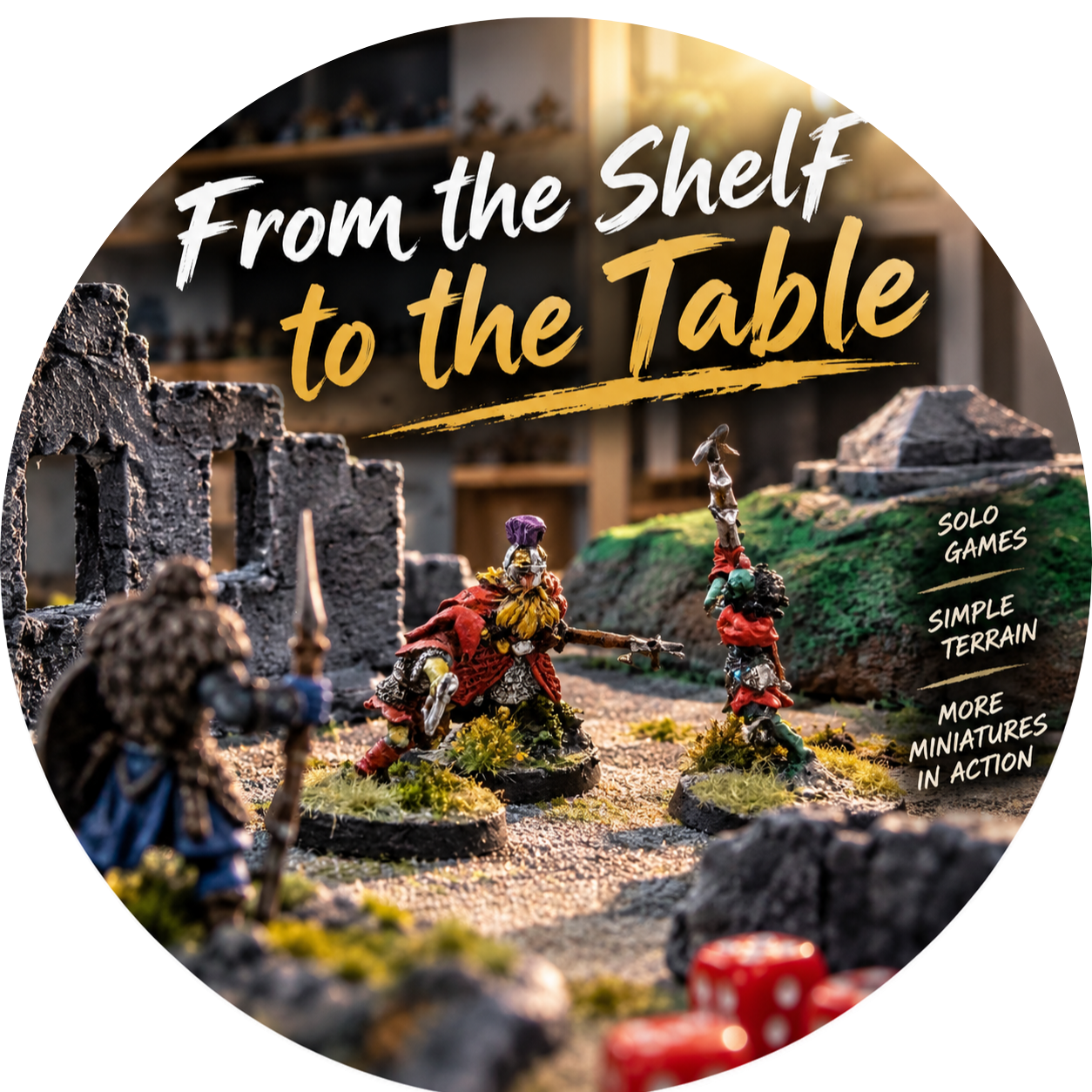
From the Shelf to the Table: Finding a Way to Play Solo
I’ve spent years painting miniatures, but lately I realised that far too many of them were sitting on shelves instead of seeing the tabletop. With game nights difficult to organise, I started looking into solo wargaming—and an unexpected conversation with ChatGPT gave me an idea. Could I create a simple game that let me use the miniatures I already own? Two nights, some cardboard and foam later, I had a small gaming board ready to go. It might be simple, but it has completely changed how I look at the miniatures sitting in my collection.
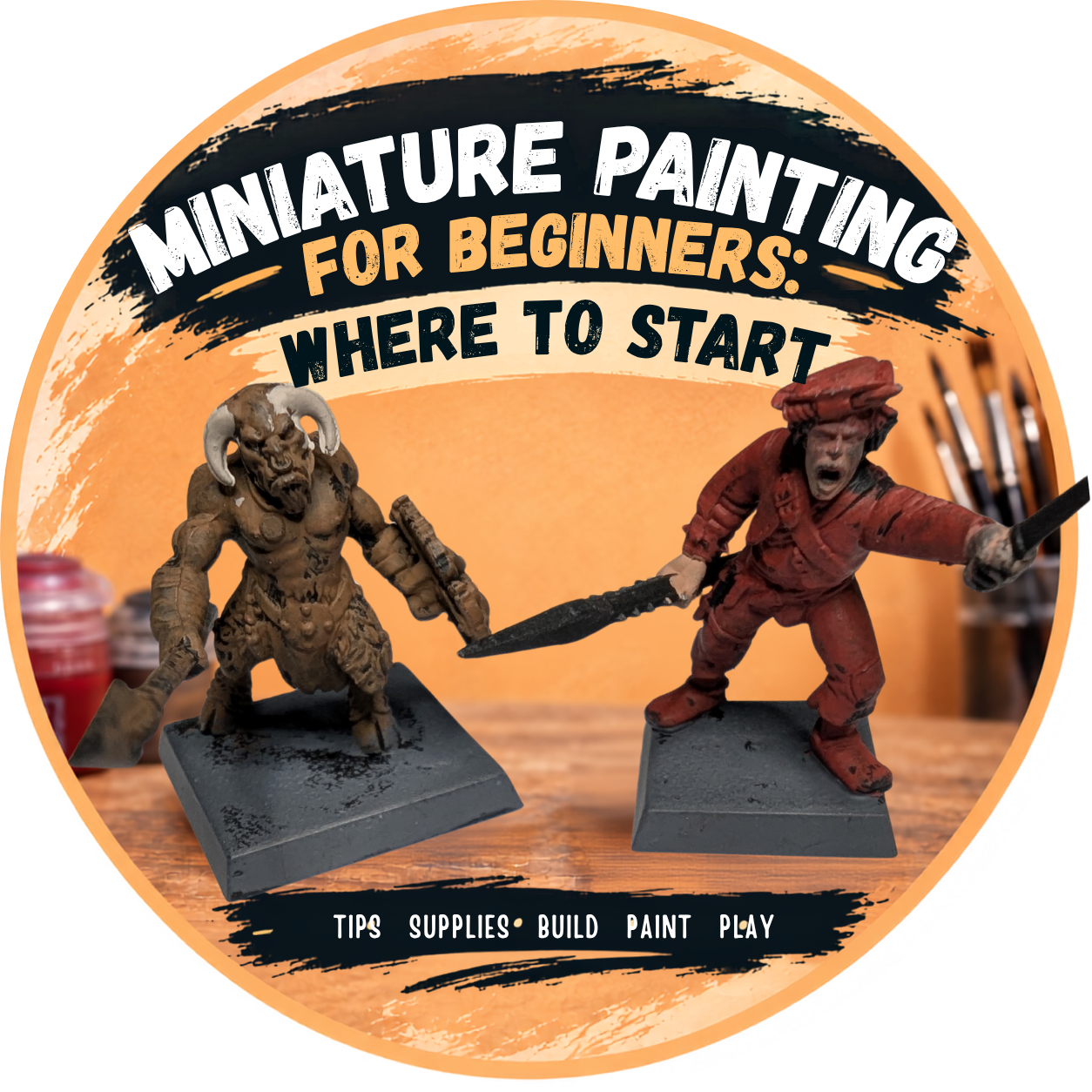
Miniature Painting for Beginners: Where to Start
New to miniature painting? This beginner's guide covers everything you need to get started, from choosing your first miniatures and paints to building, painting and playing your first games.
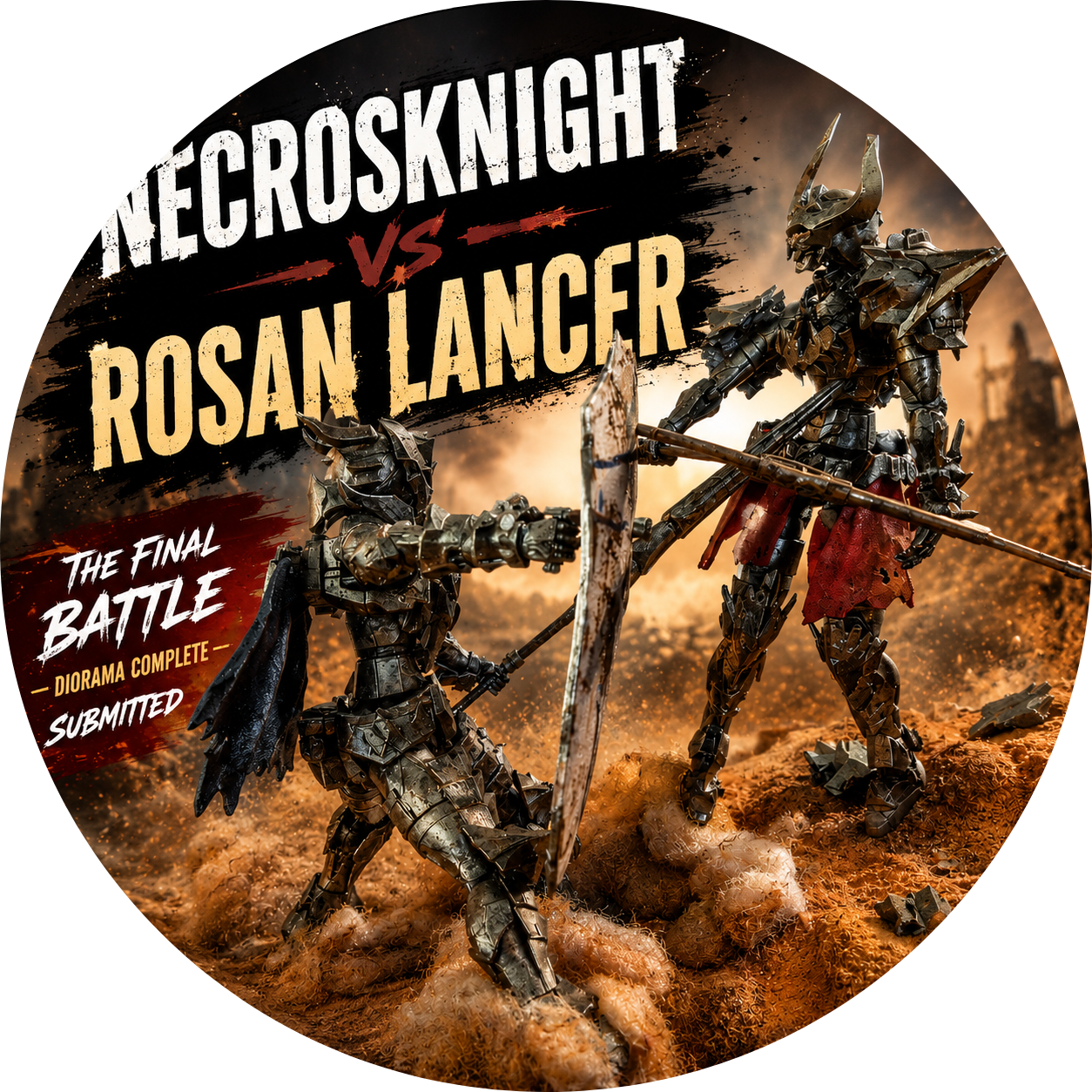
Mecha Competition Build – Part 4: The Final Submission
The Necrosknight vs Rosan Lancer diorama is finally finished and the final photos have been submitted. I'm really happy with how the battle scene has come together, particularly the sense of motion created between the two mechs. While there are plenty of things I would change next time, this project has taught me a lot about planning, composition and pushing my skills further. Now all that's left is to wait for the results, clean up my workspace, and decide what to tackle next.
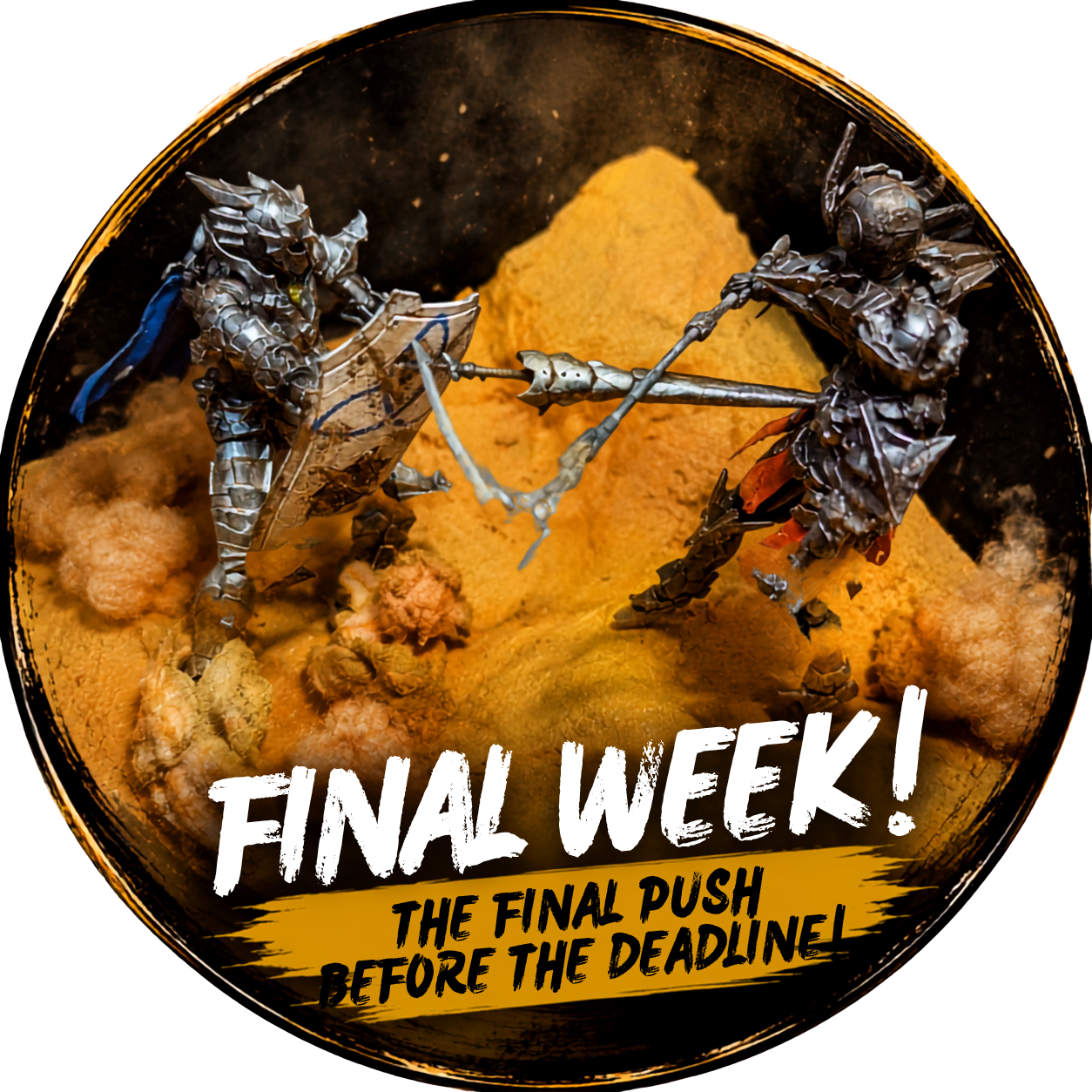
Mecha Competition Build – Part 4: The Final Week
With the competition deadline only days away, the final details of the Necrosknight vs Rosan Lancer diorama are finally coming together. From finishing the battered shield and building up the desert terrain to experimenting with homemade dust pigments and cotton-wool dust clouds, this final week has been all about bringing the scene to life.
Not everything made the final cut, with a hand-built tree ultimately being removed because it distracted from the battle. Now, with only the finishing touches left, it's time to see if I can get the diorama across the finish line before the deadline.
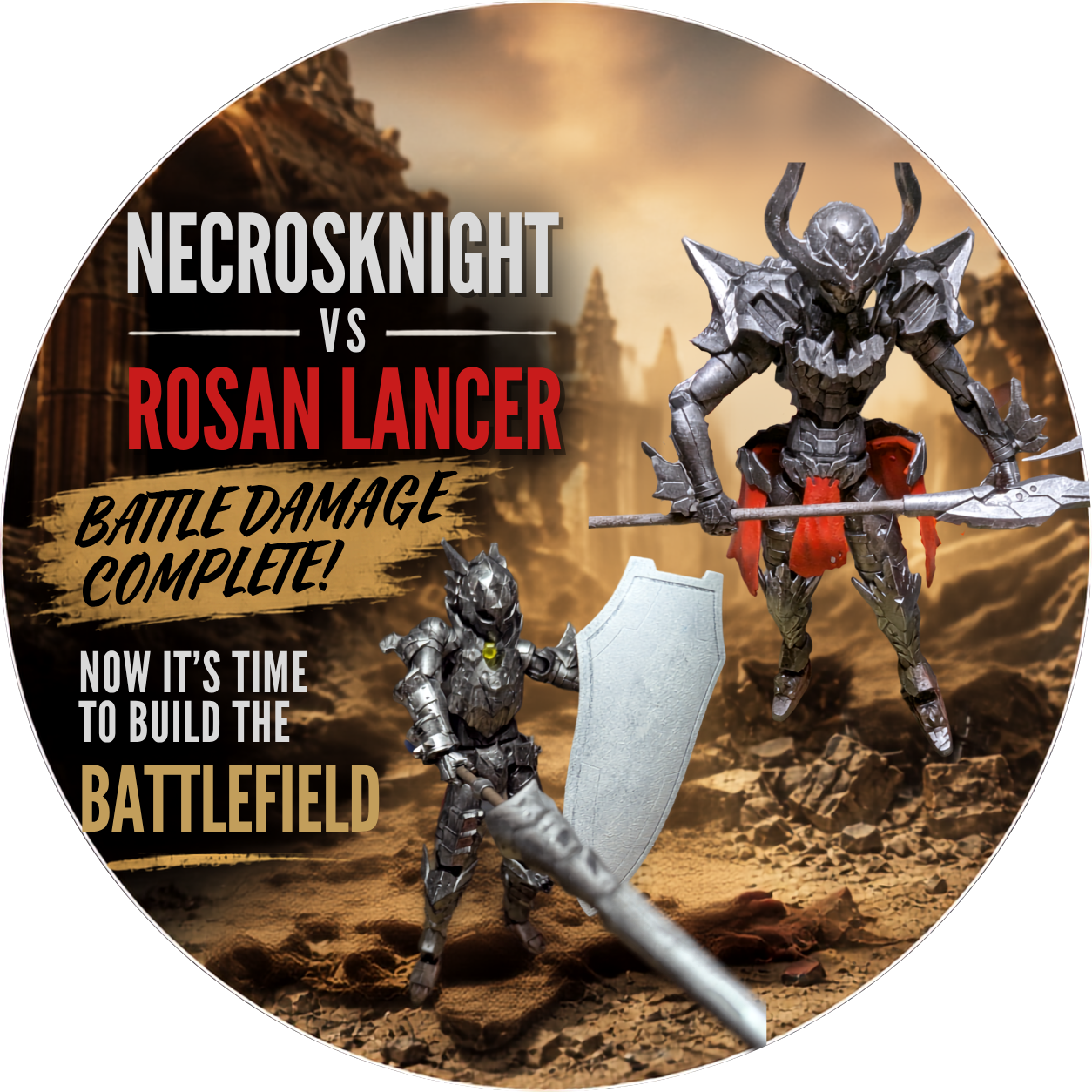
Mecha Competition Build – Part 3: From Battle-Damage to Battlefield
The Necrosknight and Rosan Lancer are finally painted, battered and battle-worn. With exposed wiring, Milliput and plaplate modifications, and a new vision for their final confrontation, the scene is starting to come together. Now, with the two machines almost finished, it's time to turn my attention to the desert ruins that will become their final battlefield.
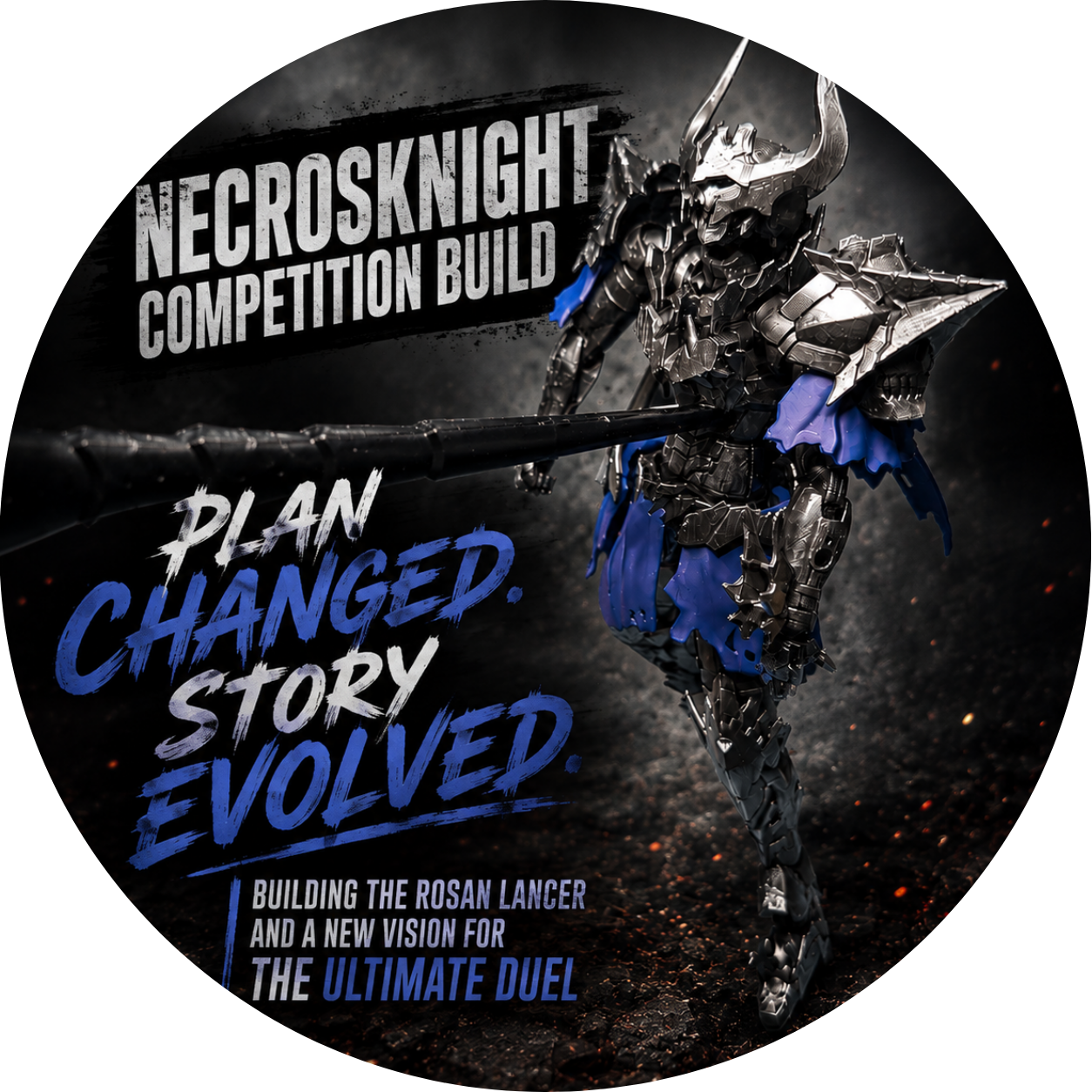
Mecha Competition Build – Part 2: When the Plan Changes
After building the Rosan Lancer and experimenting with the composition, I've completely changed the story I want the finished piece to tell. With the Lancer's spear through the Necrosknight and the scythe caught in the Lancer's shield, both warriors are locked in a brutal final exchange. Now it's time to bring the scene to life with paint, battle damage — and possibly a very villainous red cape.
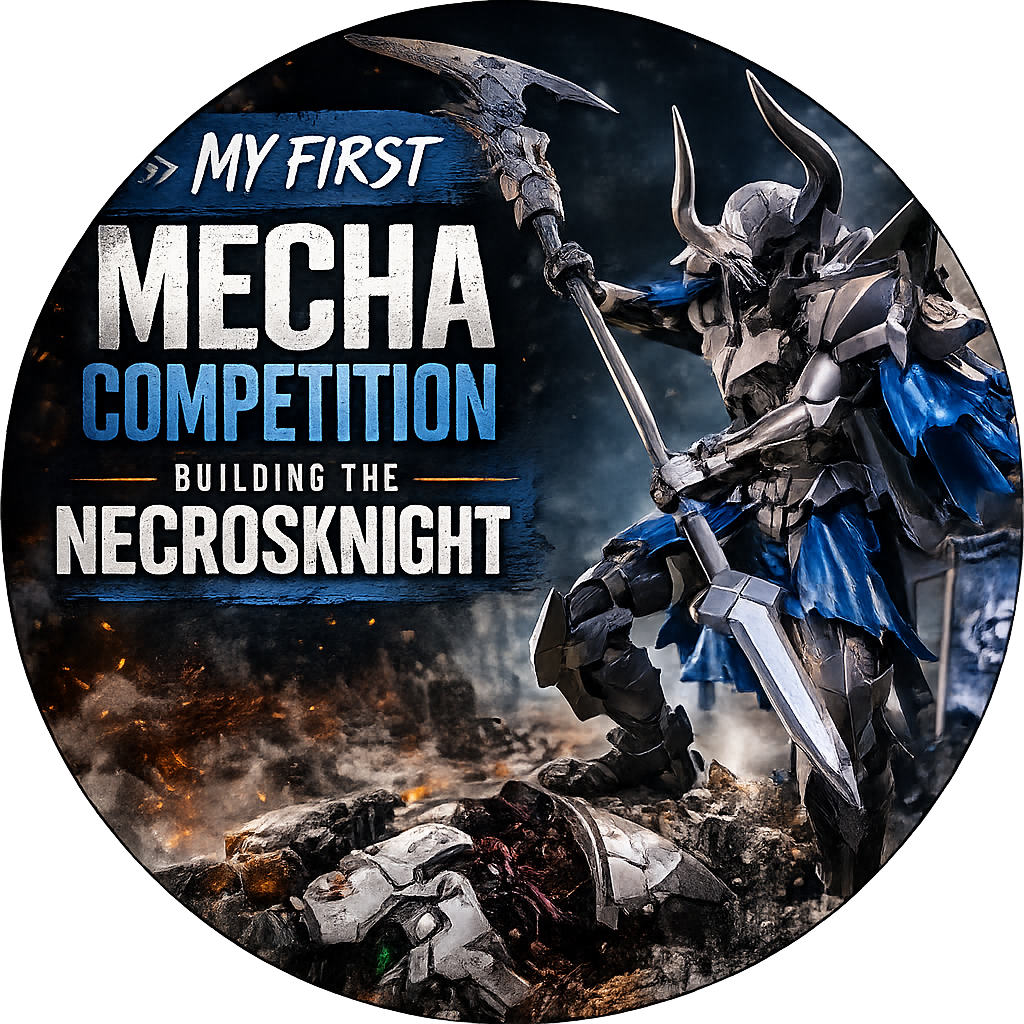
Mecha Competition Build – Part 1: Building the Necrosknight
Preparing for my first online mecha painting competition means stepping well outside my comfort zone. After building the Necrosknight, the real challenge begins, planning a fully painted finish and creating a dramatic diorama depicting a battle against a Rosan Lancer. Join me as I turn a straight forward build into my most ambitious display piece yet.
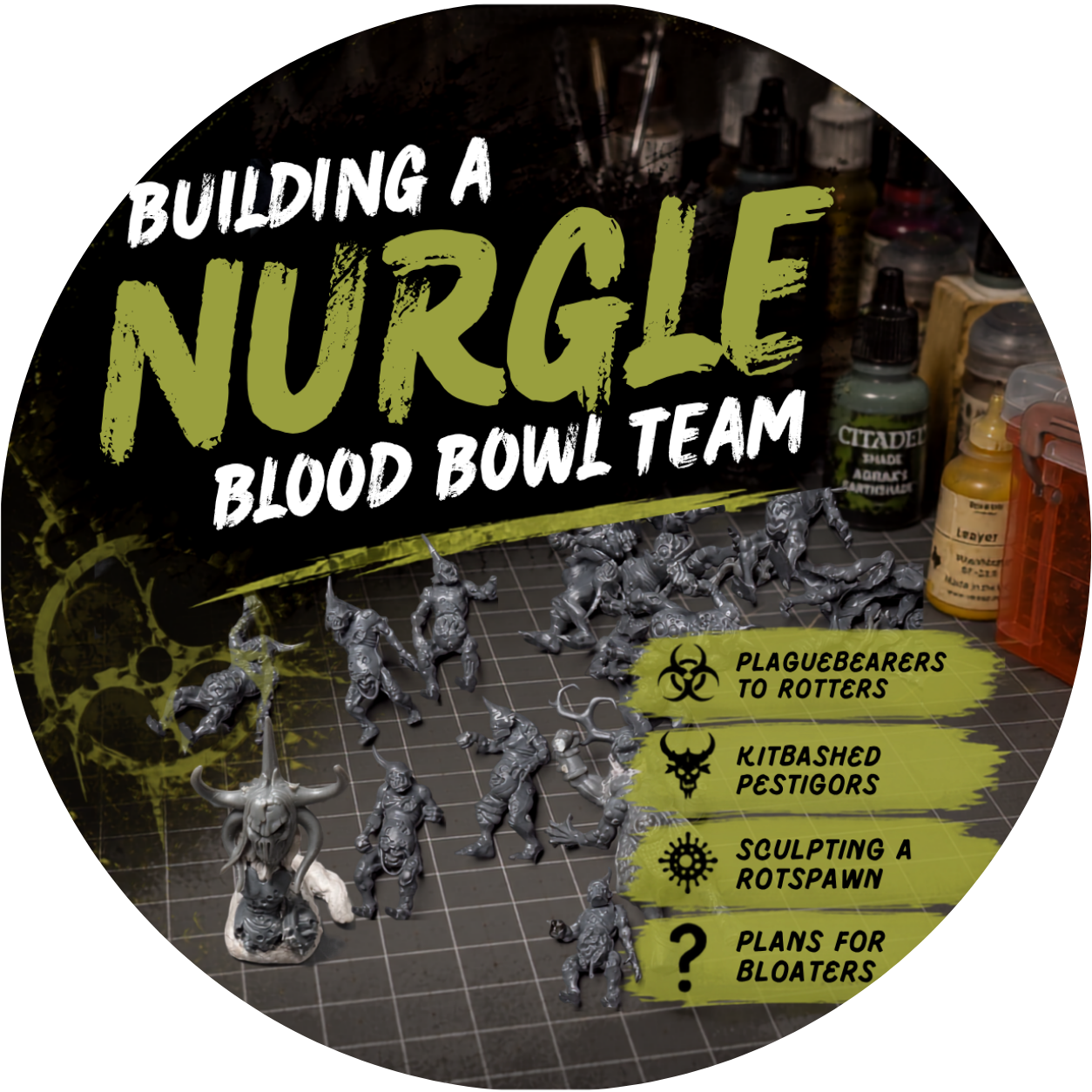
Building a Nurgle Blood Bowl Team from the Bits Box
What started as a box of forgotten Plaguebearers quickly turned into my next Blood Bowl project. With kitbashed Pestigors, a scratch-built Rotspawn and plans for custom Bloaters, this team is shaping up to be one of my most creative conversions yet.
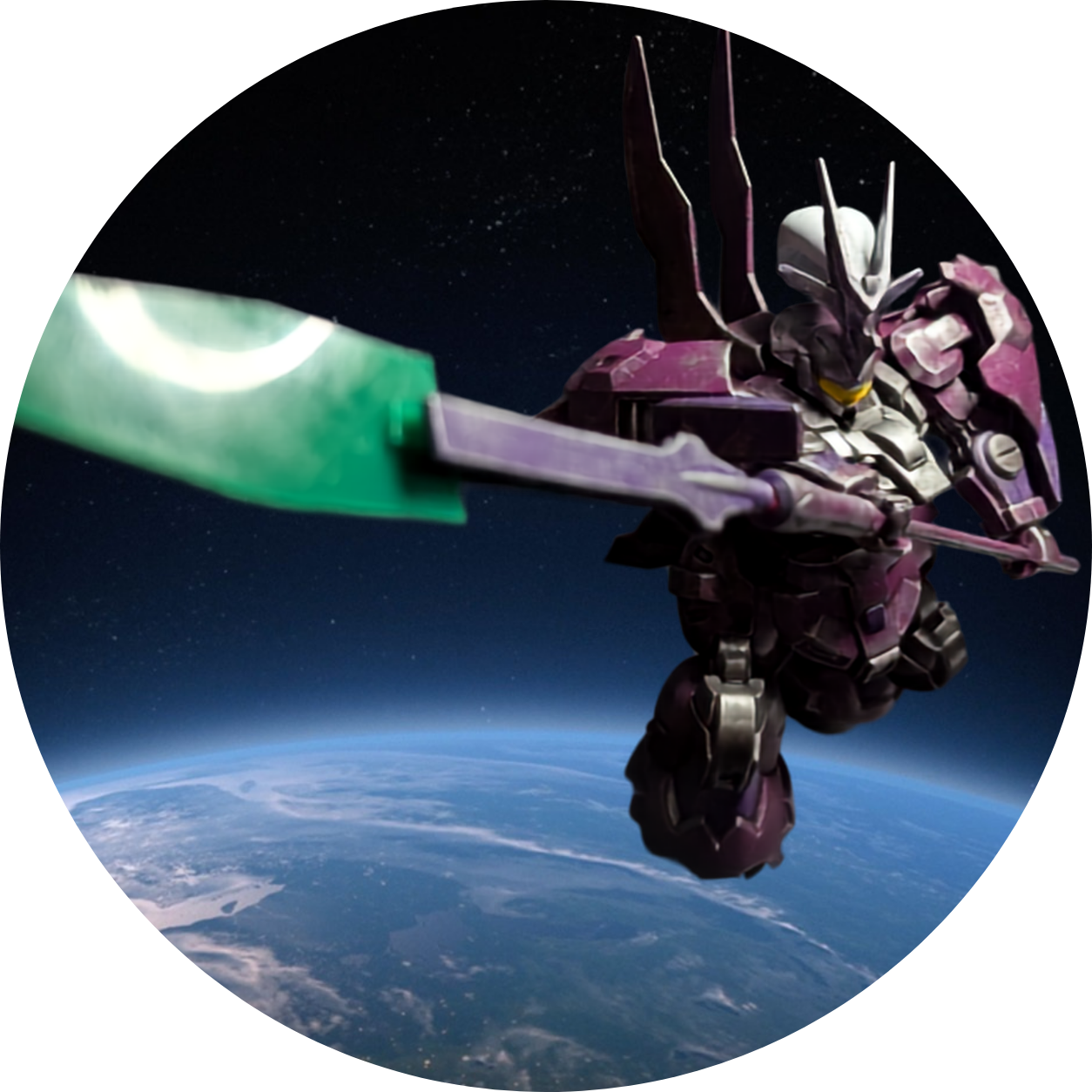
Painting Guel's Dilanza HG – A Simple Weathering Process
After deciding the stock colours on Guel's Dilanza HG felt a little flat, I set out to create a mobile suit that looked battle-worn but meticulously maintained. In this tutorial, I walk through my simple weathering process, from subtle colour variation and layered metallic scratches to panel lining, scratch-built details, and the finishing touches that brought the model to life.
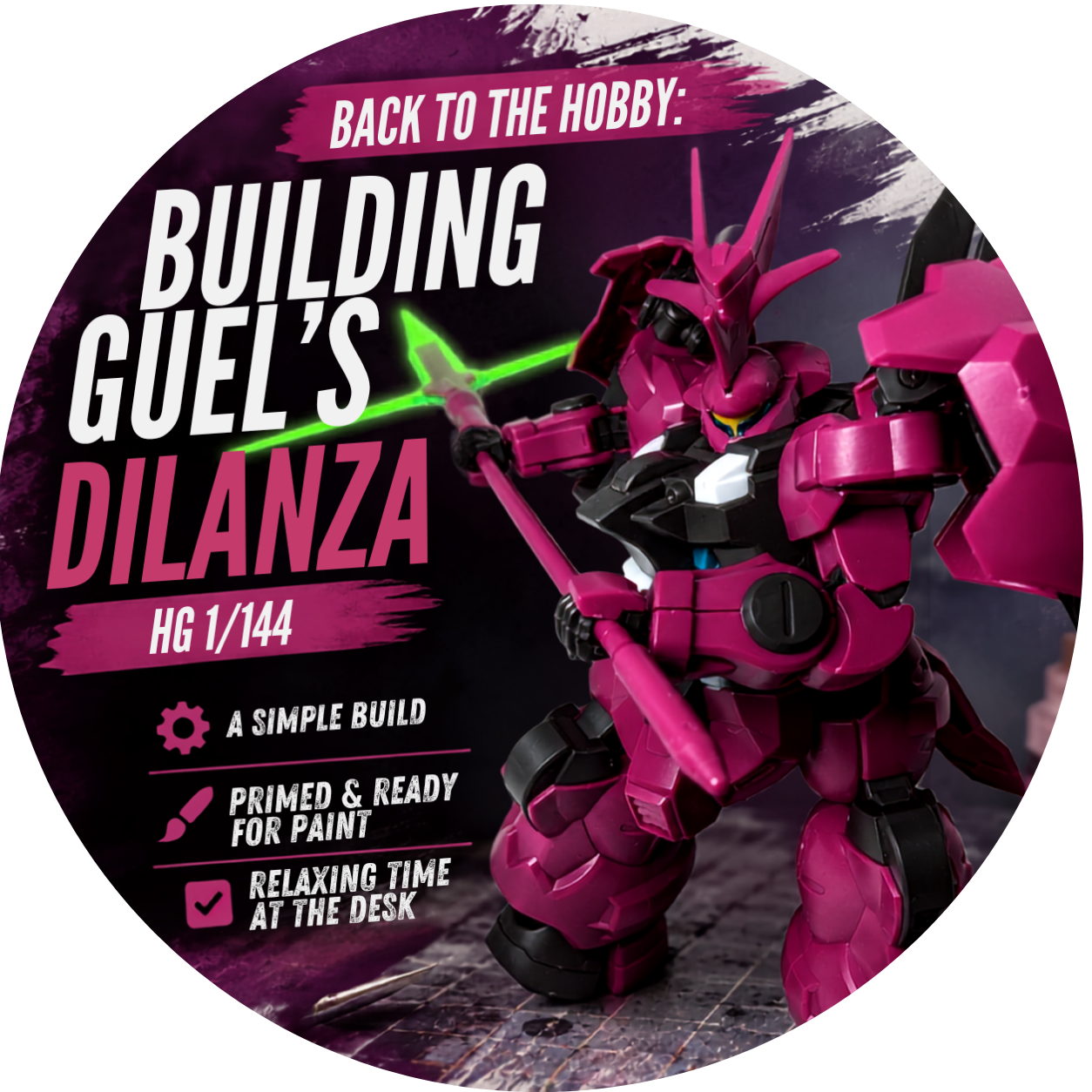
Sometimes the Hobby Isn't About the Paint
Building Guel's Dilanza HG reminded me that not every hobby session needs to be about pushing my skills. Sometimes the best projects are the simplest ones, relaxing builds, a small repair, and the chance to share the hobby with someone special. That's what this hobby is really about.
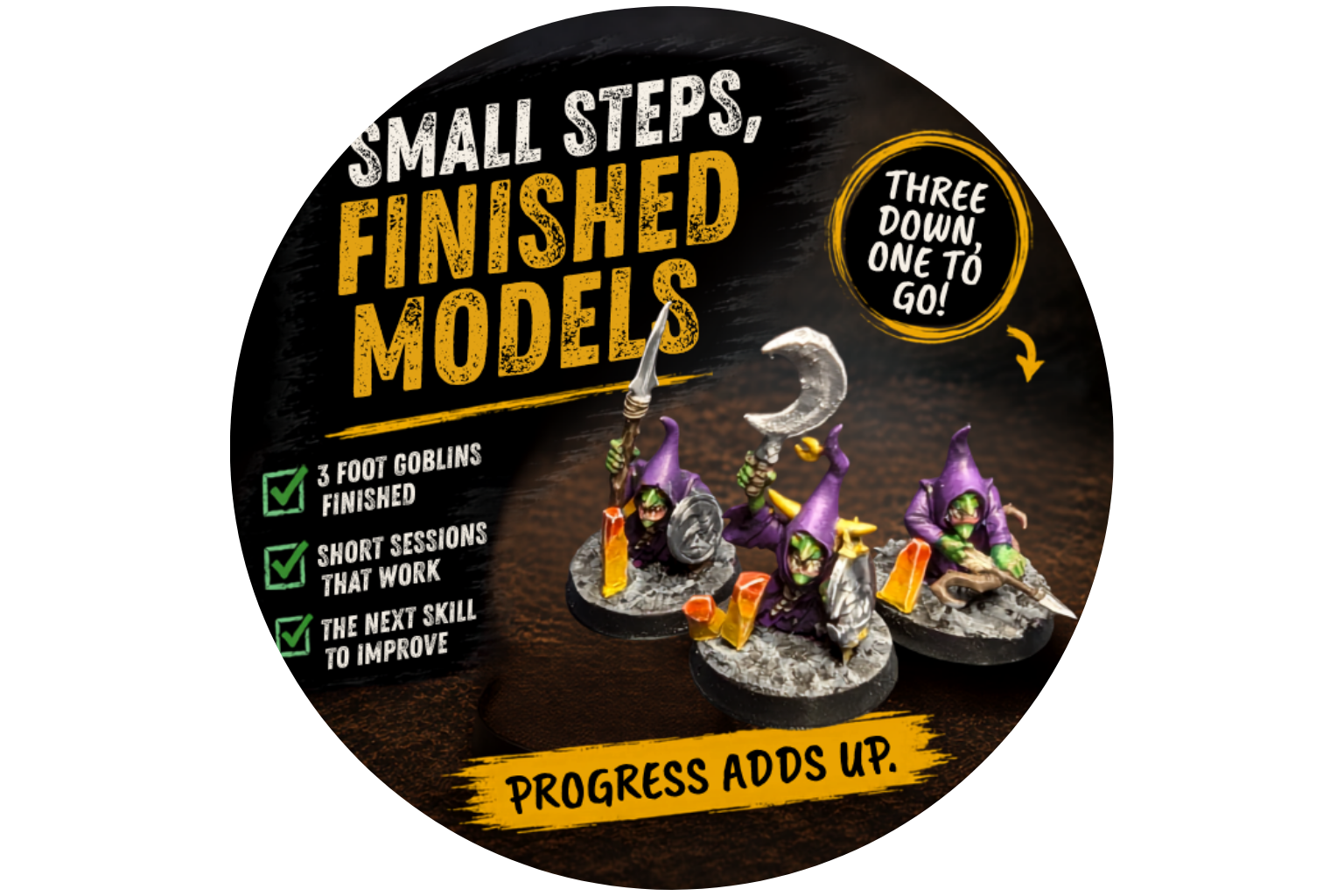
Small Steps, Finished Models
A couple of weeks after questioning whether short painting sessions were making any difference, I finally have the answer. Three finished goblins now sit on the shelf, proving that consistent progress often happens quietly, one small session at a time. Along the way, I also discovered the next skill I want to improve—and why not every mistake needs to be fixed before calling a project complete.
How Miniature Painting Changed the Way I Think About Progress
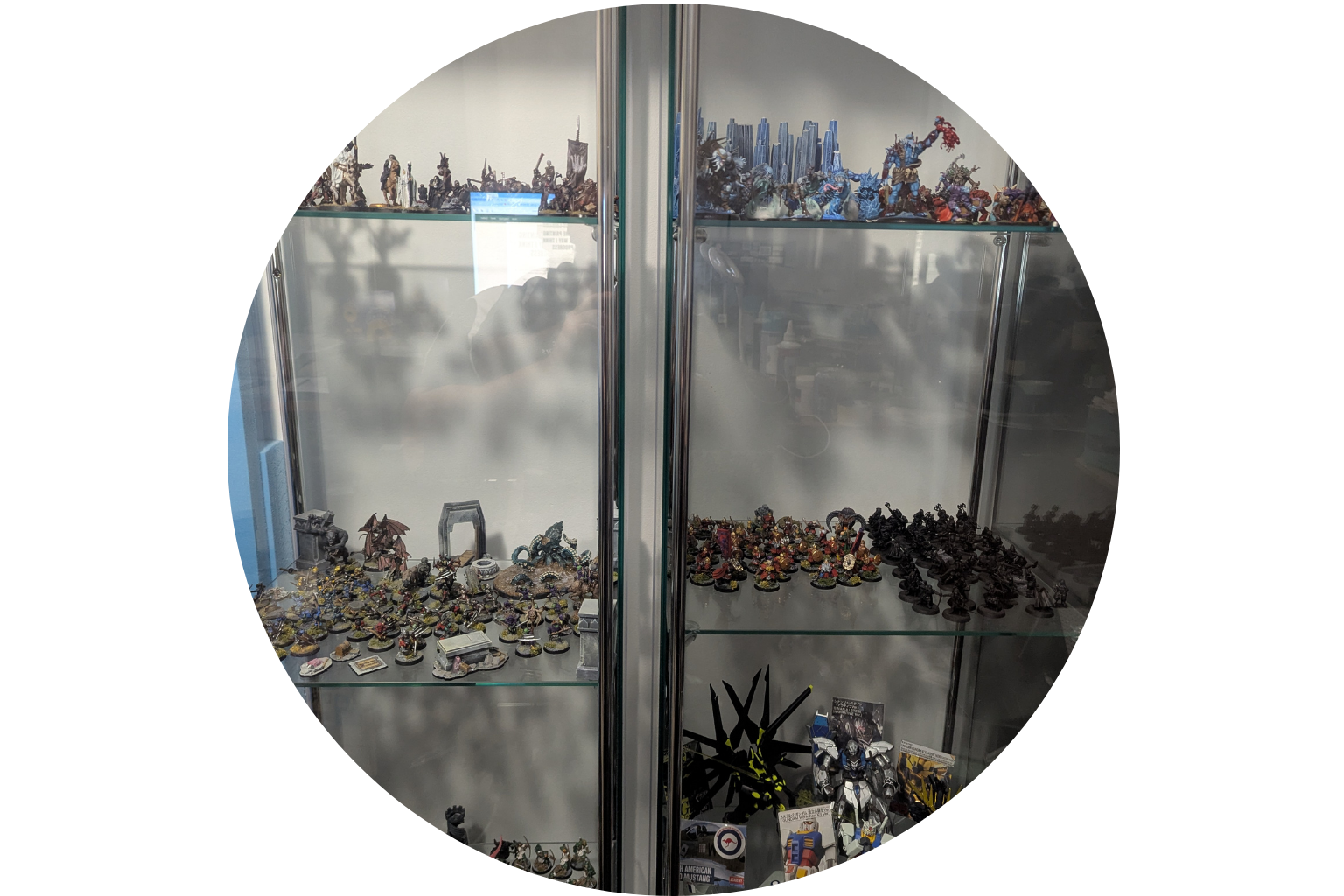
Miniature painting has taught me that progress isn't measured by perfect results; it's built through consistency, experimentation, and the willingness to tackle challenges that feel just out of reach. In this post, I reflect on how the hobby has reshaped my mindset and why I've finally committed to painting one of the most intimidating models in my collection: the Balrog. Sometimes, the biggest step forward is simply picking up the brush.
Progress Doesn't Always Look Like Progress
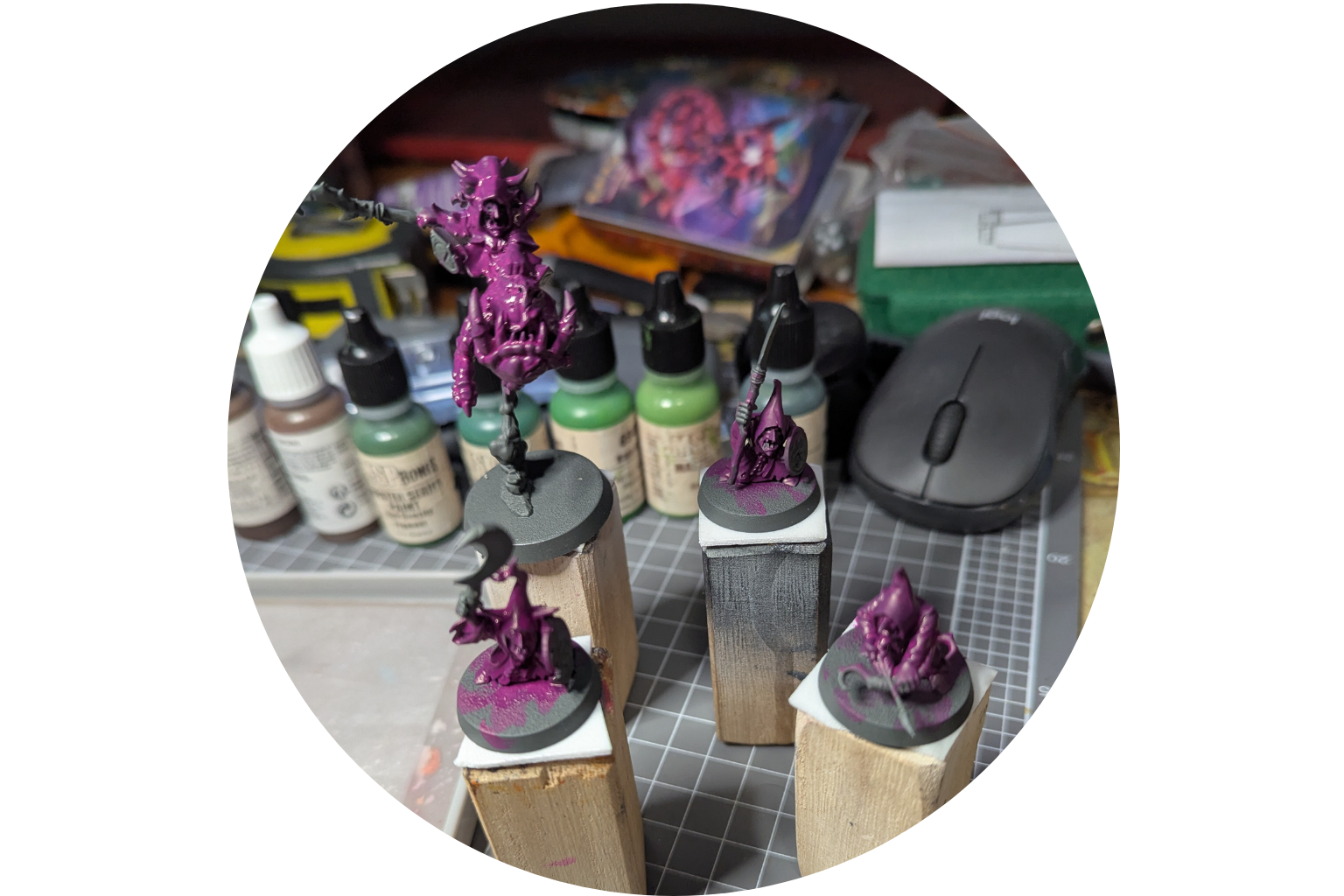
Life doesn't always leave room for long painting sessions, but that doesn't mean progress has to stop. In this post, I reflect on balancing work and hobby time, why even a single brushstroke can move a project forward, and how thoughtful planning and consistency can be just as valuable as marathon painting sessions. Sometimes the biggest lesson is realising that small efforts really do add up.
When Good Enough Has to Be Finished
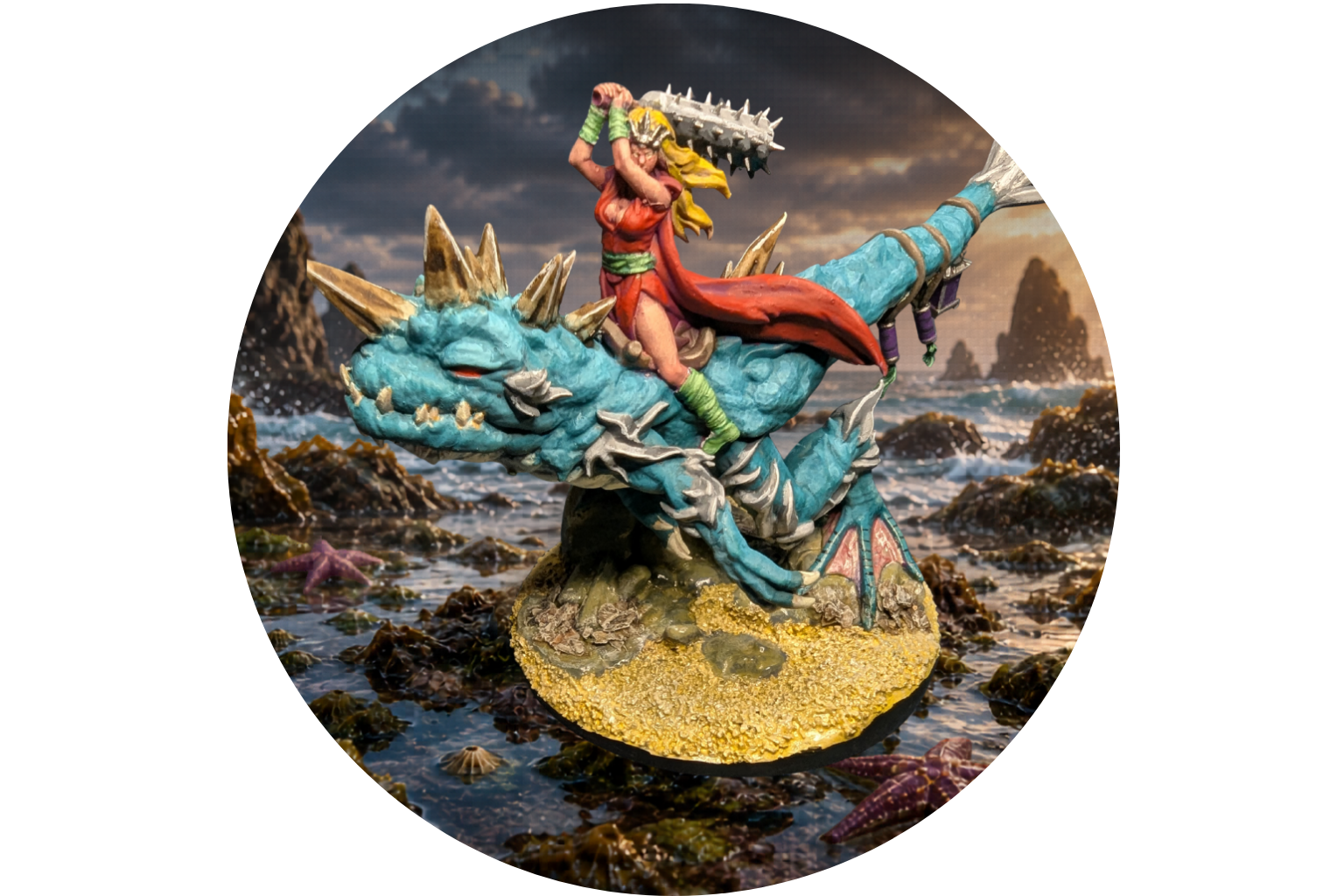
Takiyasha was a project filled with experimentation, deadlines, and a few hard-earned lessons. From exploring colourful shadows and textured highlights to discovering exactly why washes aren't always the answer, this competition piece pushed me outside my comfort zone. While not every technique worked as planned, the finished miniature is a reminder that progress often comes from the projects that don't go perfectly.
One Hour, Two Miniatures, Zero Successes
Can a miniature really be painted in just one hour? I put myself to the test with two Miniatures of the Month from Warhammer—a Darkoath Marauder and a Crypt Ghoul. Despite a muted timer, an unfinished base, and two technical failures, the challenge taught me valuable lessons about planning, speed painting, and focusing on what matters most when the clock is ticking.
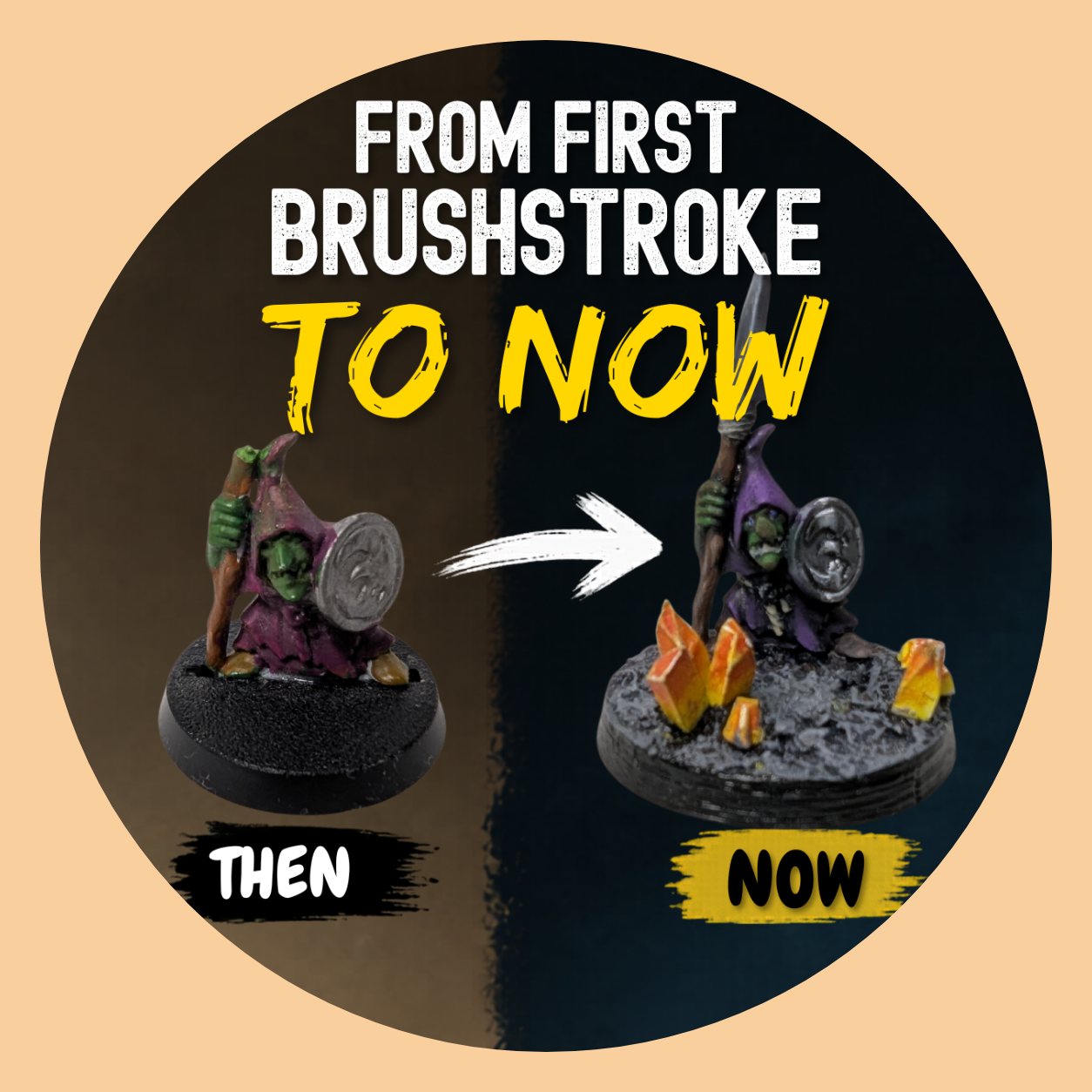
The Miniature That Measured My Progress
How much can a painter improve in a few years? To find out, I revisited the very first miniature I ever painted and put my current skills to the test. From smoother blends and convincing non-metallic metal to better colour placement and brush control, this side-by-side comparison became a rewarding reminder of just how far consistent practice can take you.
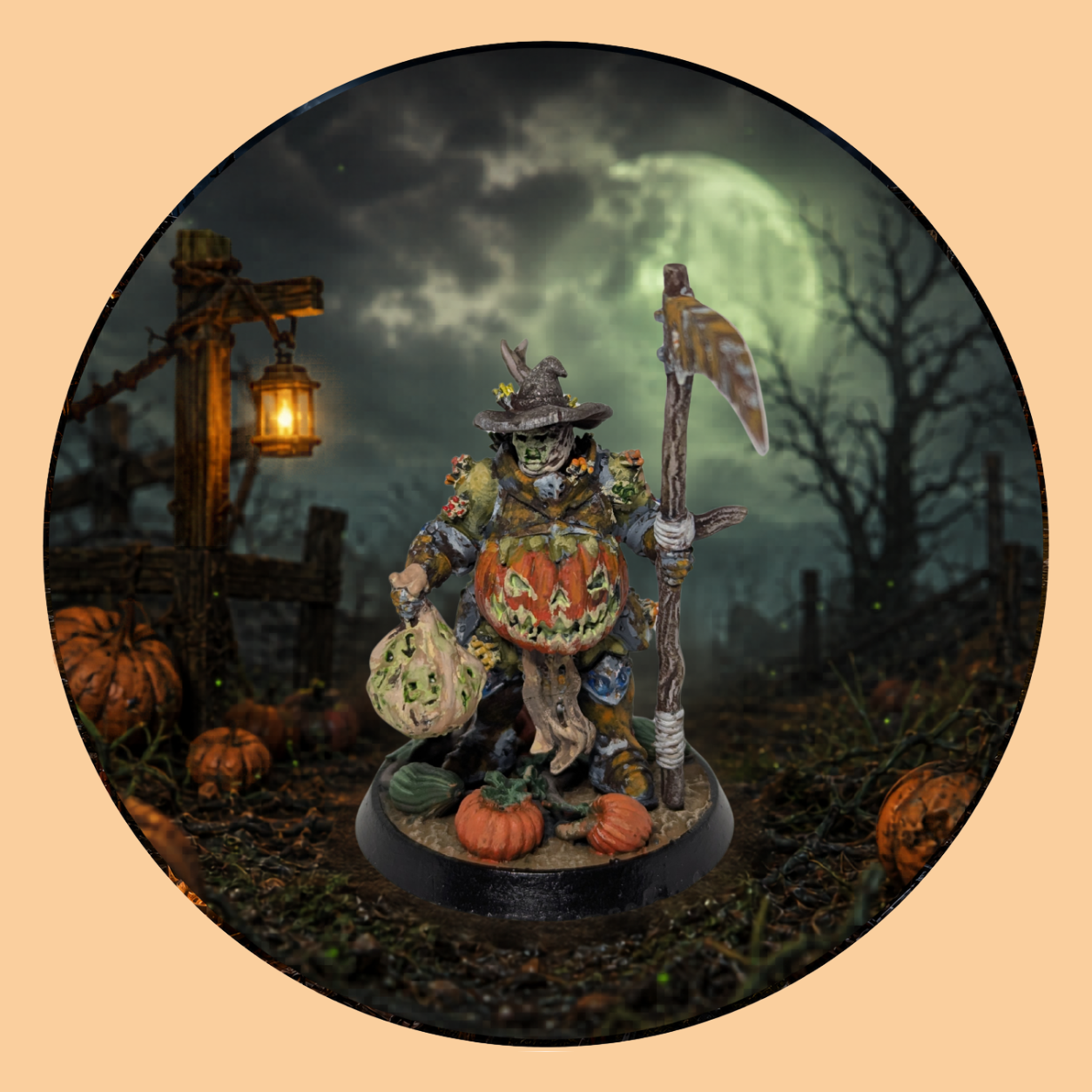
Pumpkin Killer – A Return to Tradition
After months of pushing heavy Object Source Lighting across my Chaos Dwarfs, the Pumpkin Killer felt like a welcome return to a more traditional painting style. What began as a straightforward autumnal horror miniature became an opportunity to experiment with rust effects, subtle OSL, and even some non-metallic metal that ultimately disappeared beneath layers of weathering. The result is a miniature full of texture, decay, and character, reminding me that sometimes the sculpt itself can do most of the storytelling.
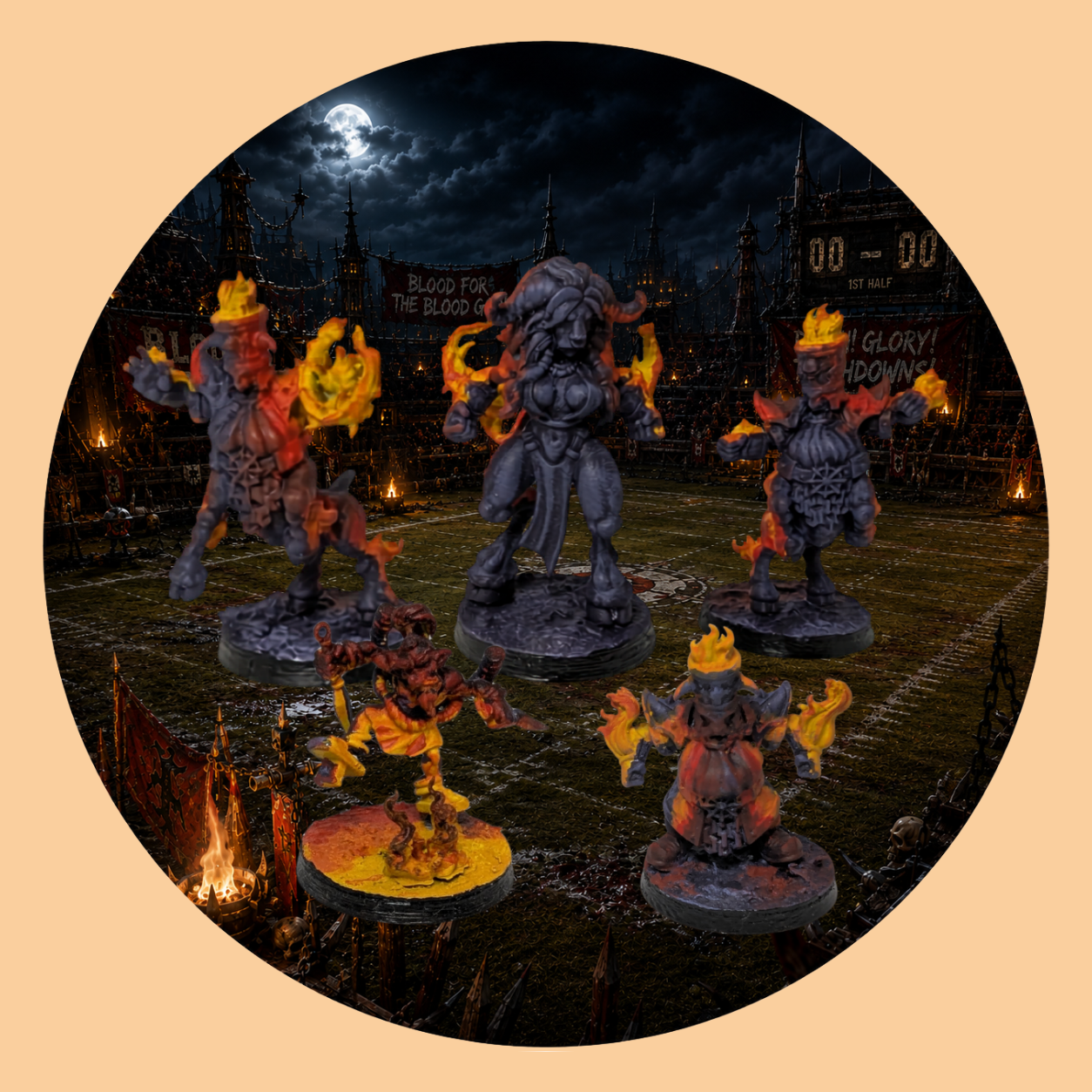
Chaos Dwarfs – Pushing OSL to Its Limits
What started as a simple attempt to learn Object Source Lighting quickly grew into one of the most challenging projects I've tackled. Through countless adjustments, repaints, and experiments, this Chaos Dwarf team taught me valuable lessons about light, contrast, planning, and restraint. The result may not be perfect, but the journey pushed my painting further than I expected and changed how I think about miniatures going forward.