When Good Enough Has to Be Finished
Some projects start with a clear plan.
Others start with a deadline that is rapidly approaching.
This miniature definitely fell into the second category.
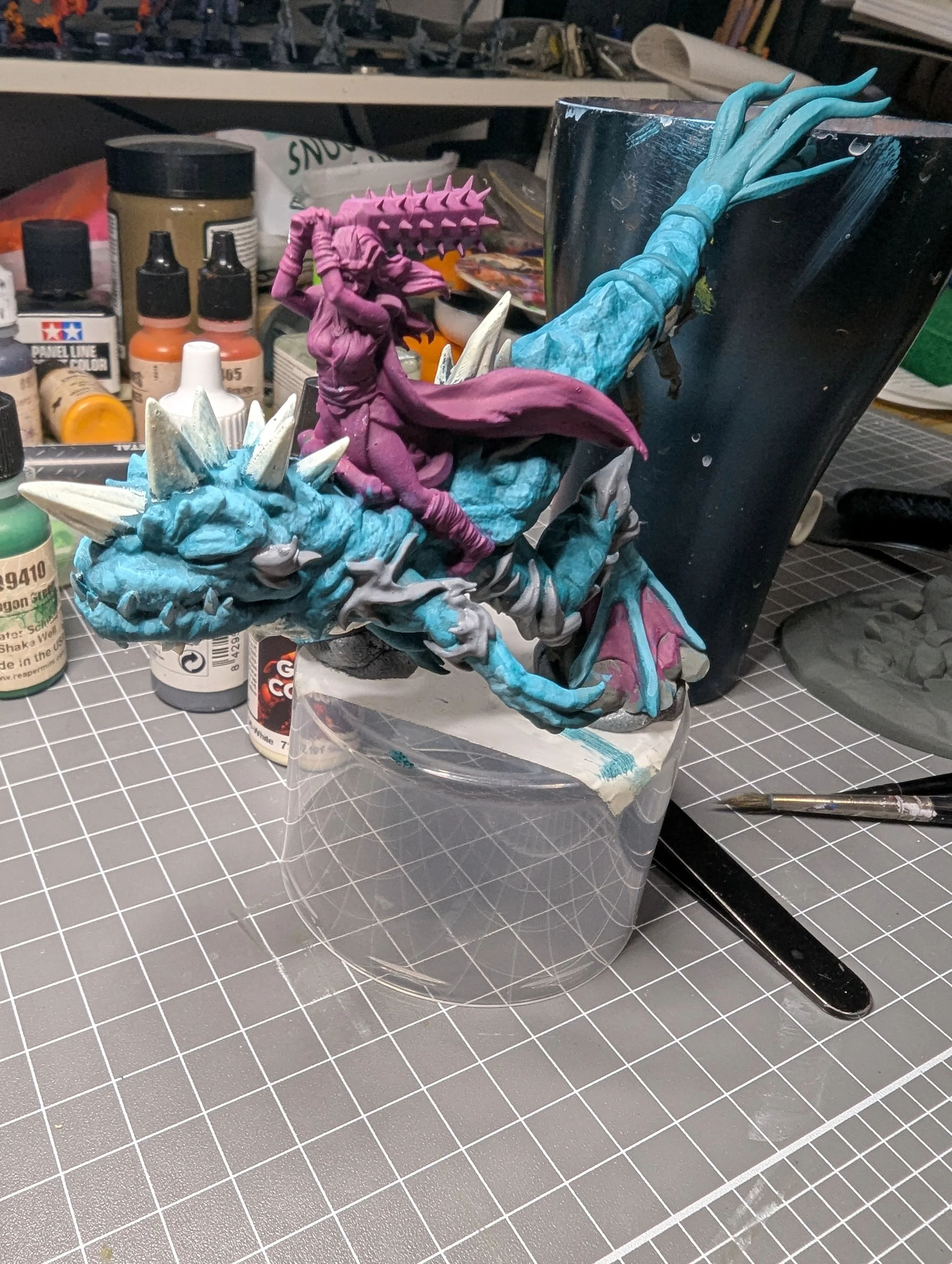
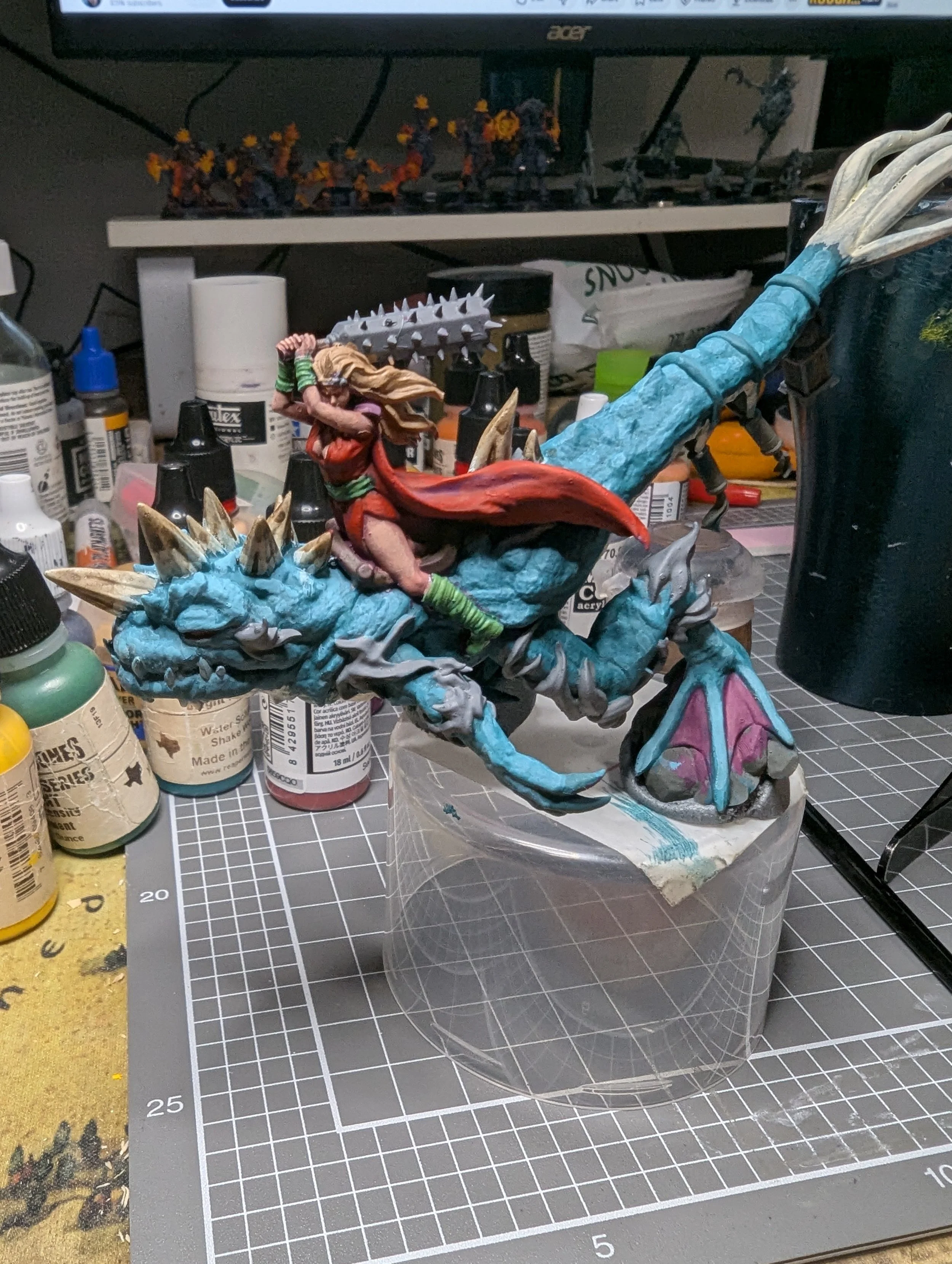
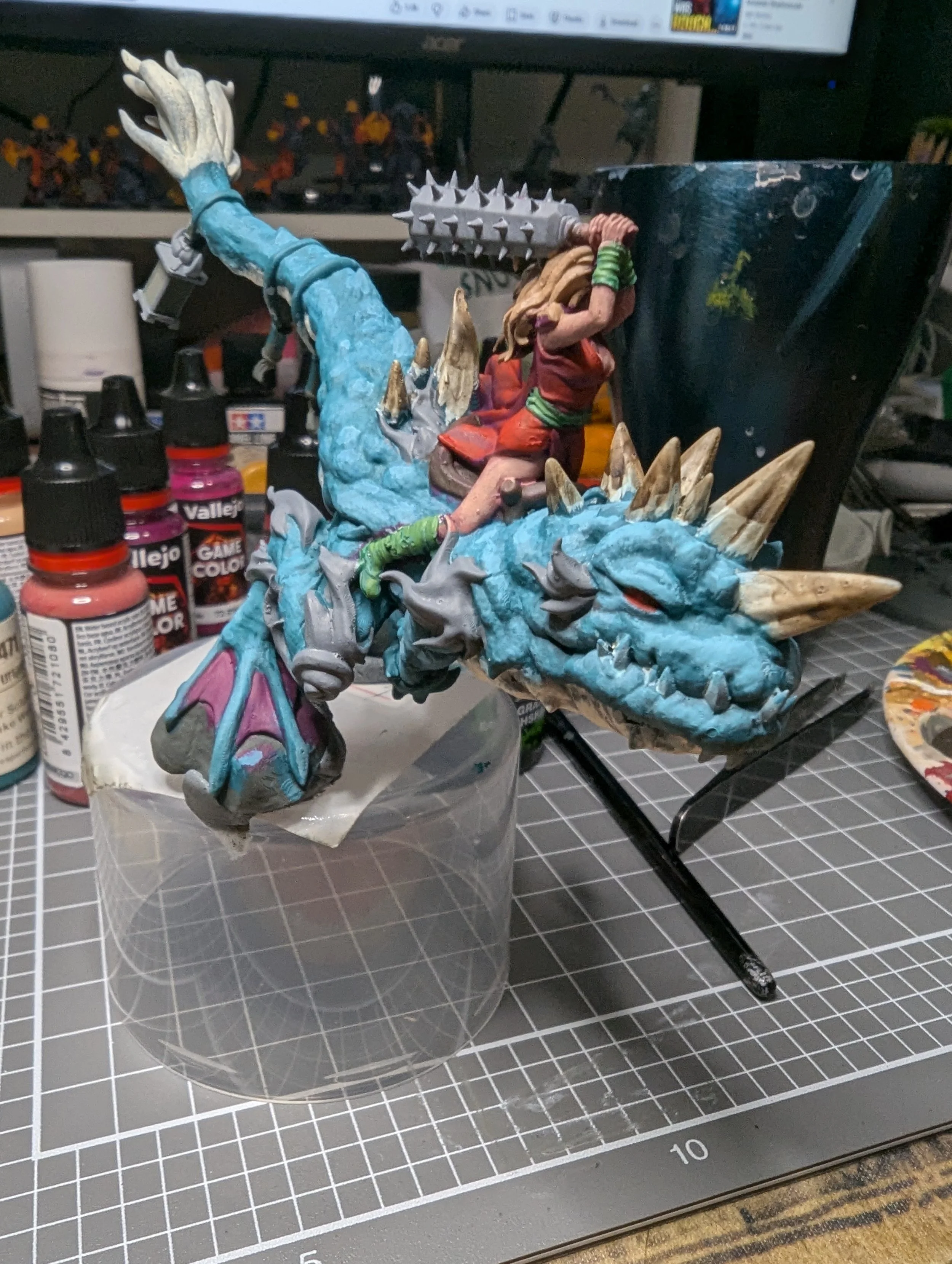
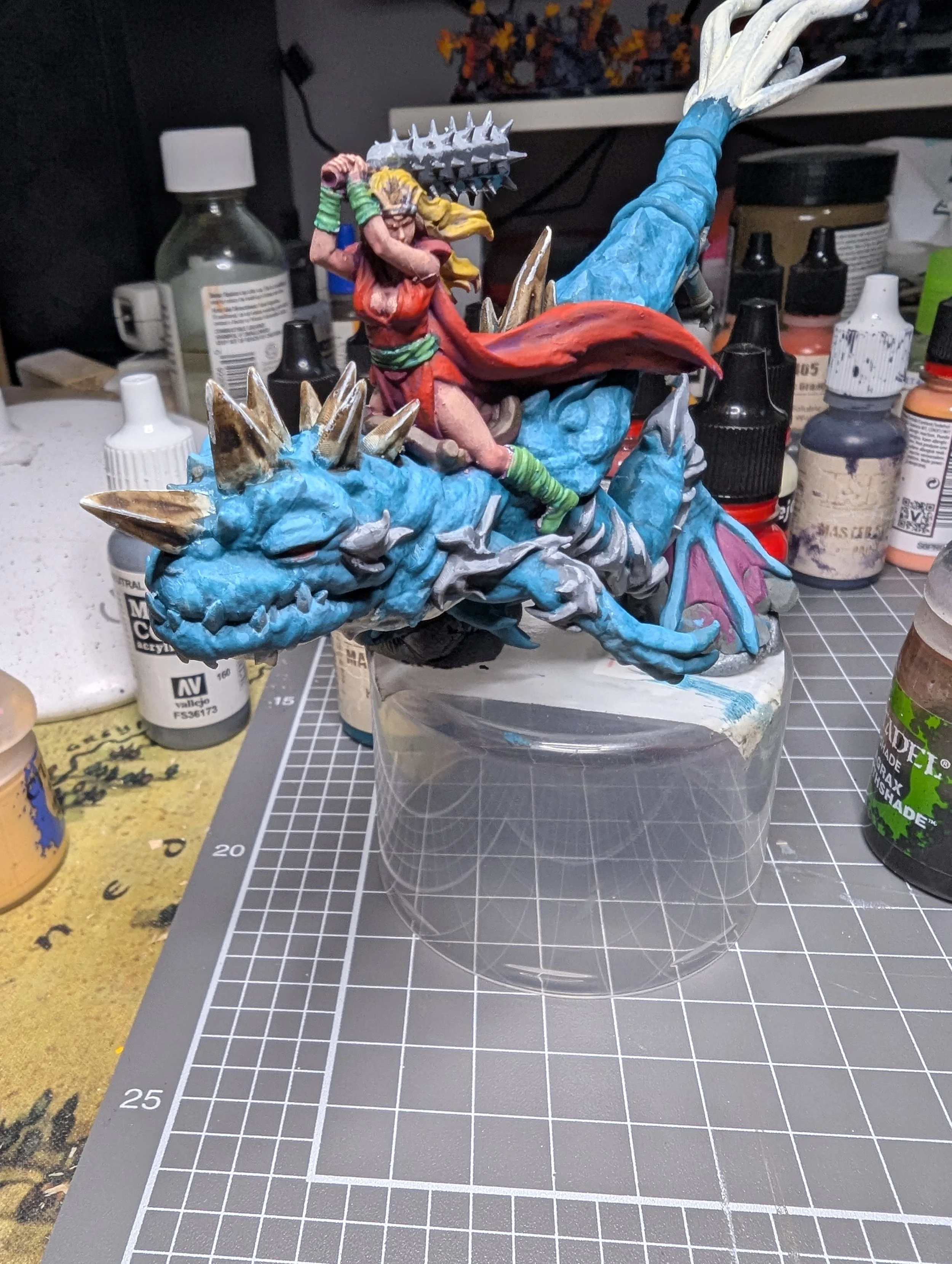
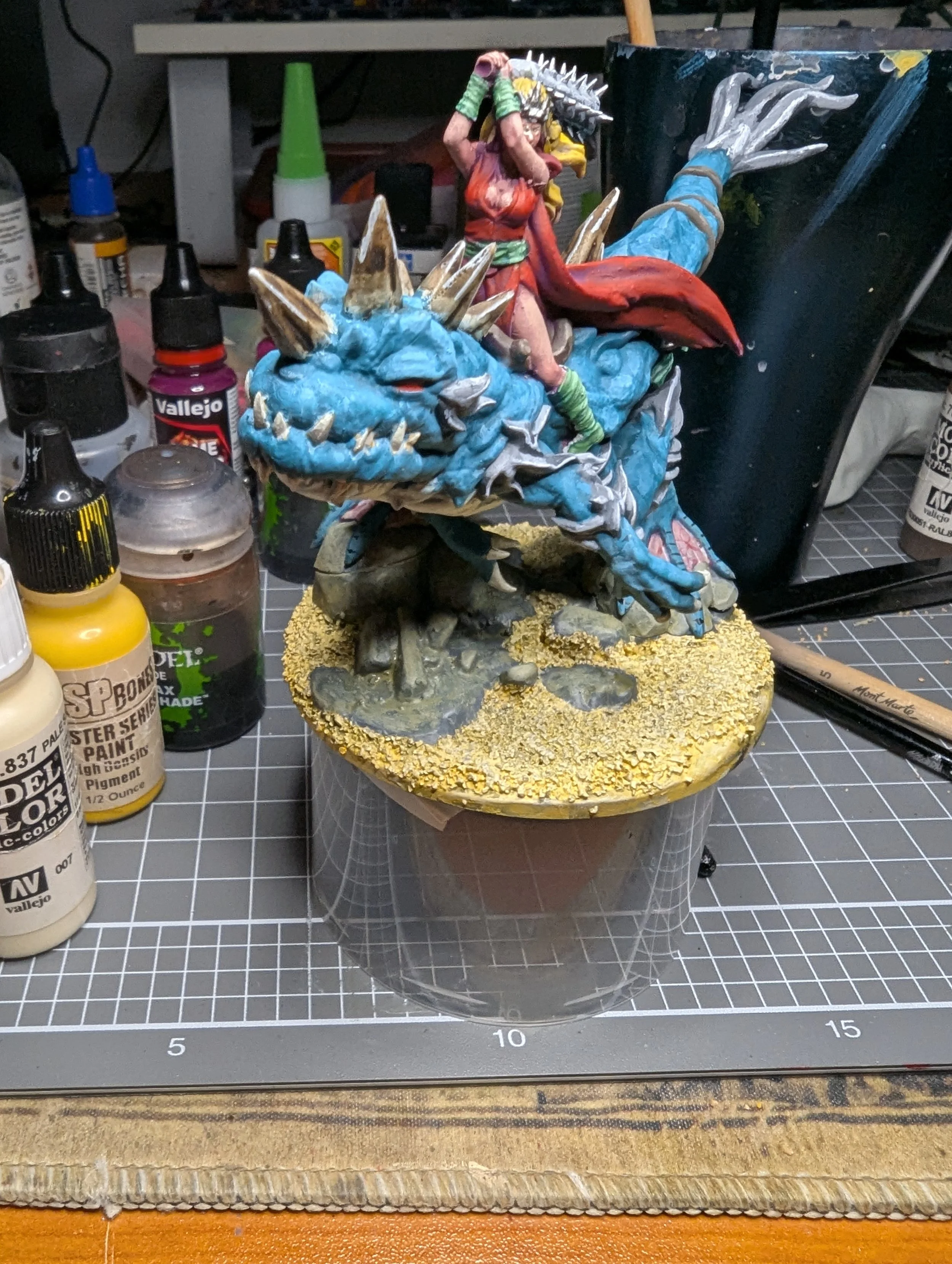
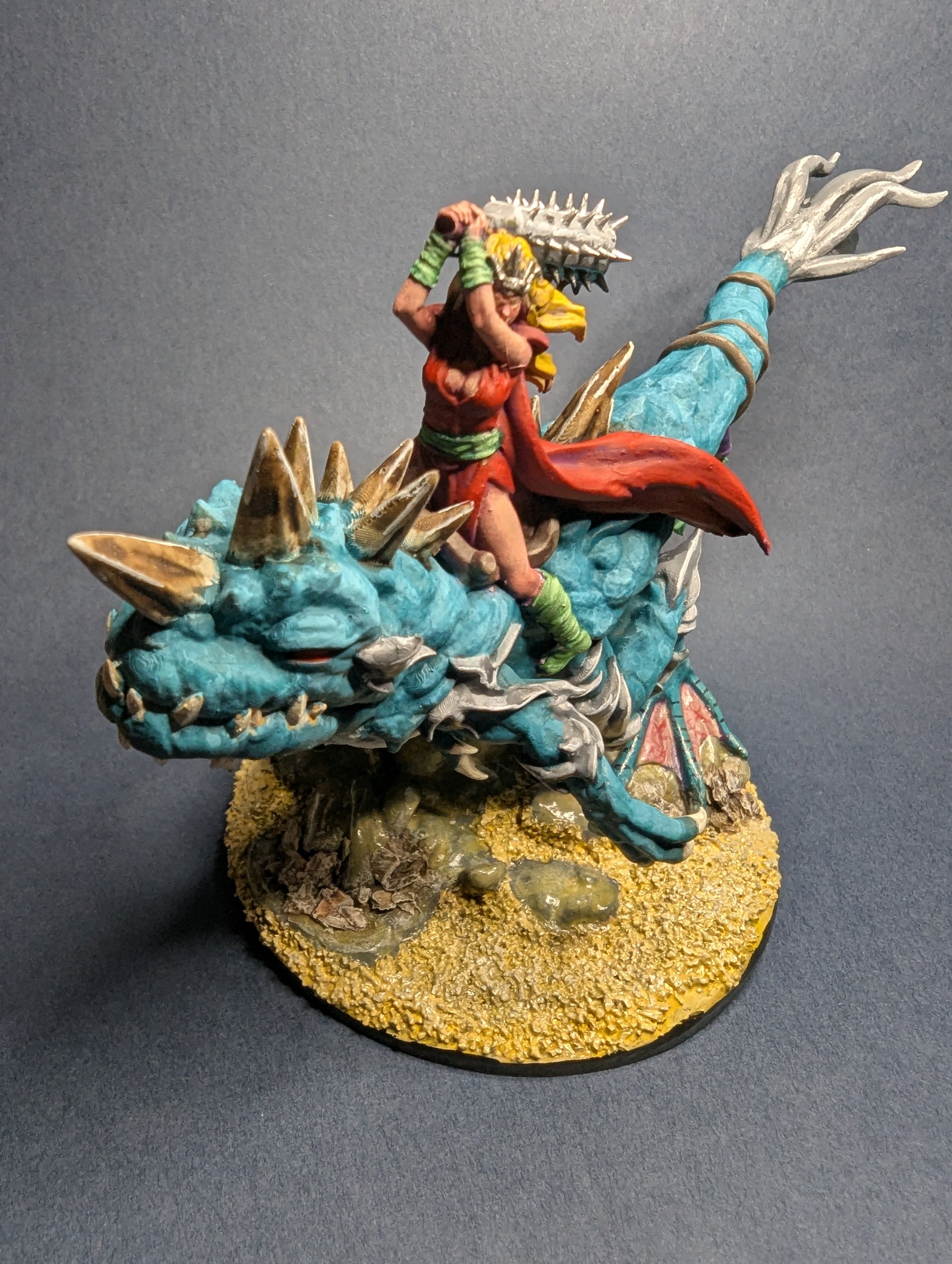
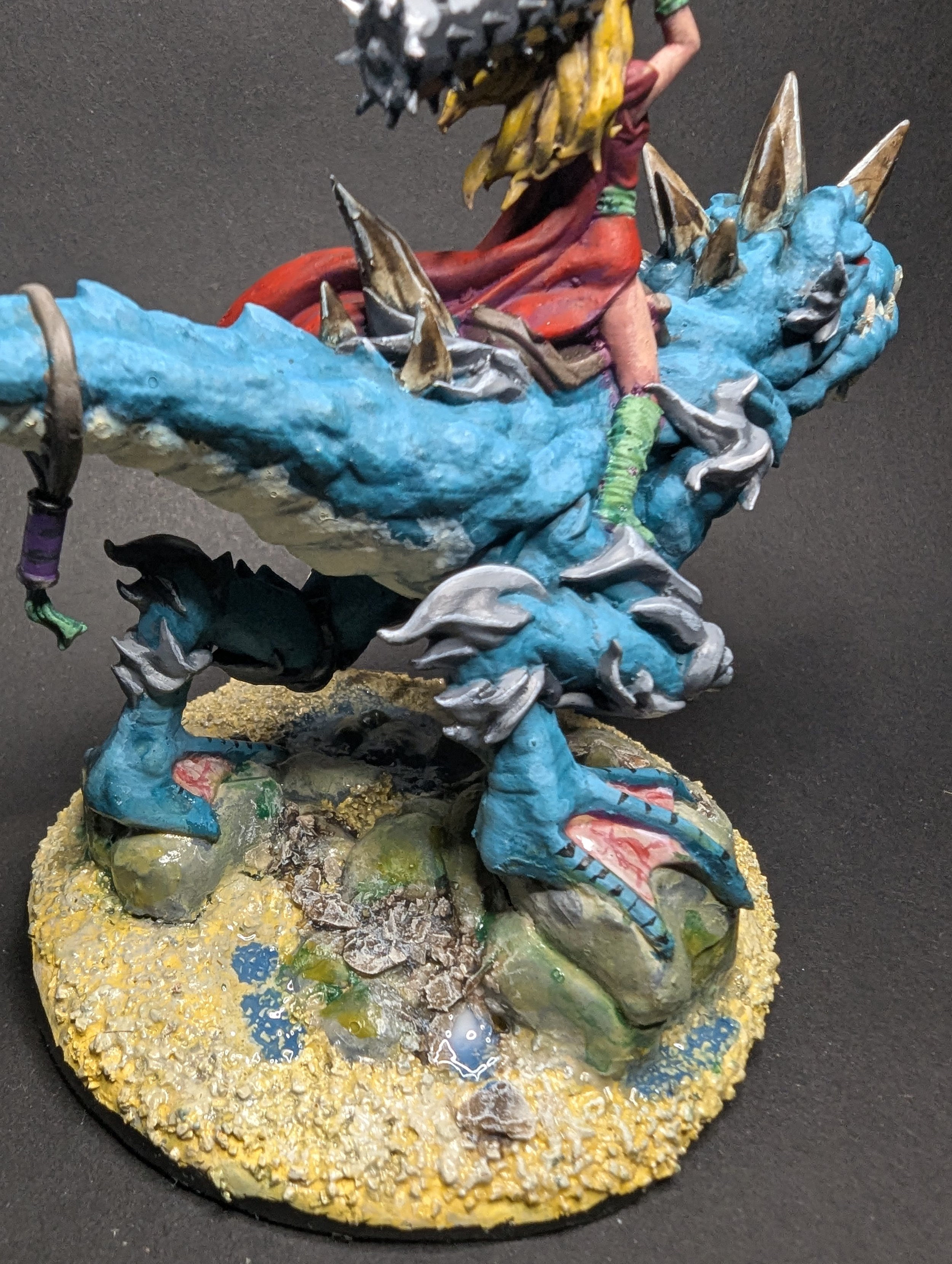
I printed and painted this Takiyasha miniature for the WYRD online painting competition using one of their Other Side Miniatures' fantastic sculpts. Like many hobby projects, I left myself a little less time than I probably should have, which meant the final few stages felt more like a sprint than the carefully paced painting process I would prefer for something like this.
Despite that, I'm happy but not over the moon with how it turned out.
Experimenting with Colour
One of the things I wanted to explore on this project was using different shadow colours to create more depth on the miniature.
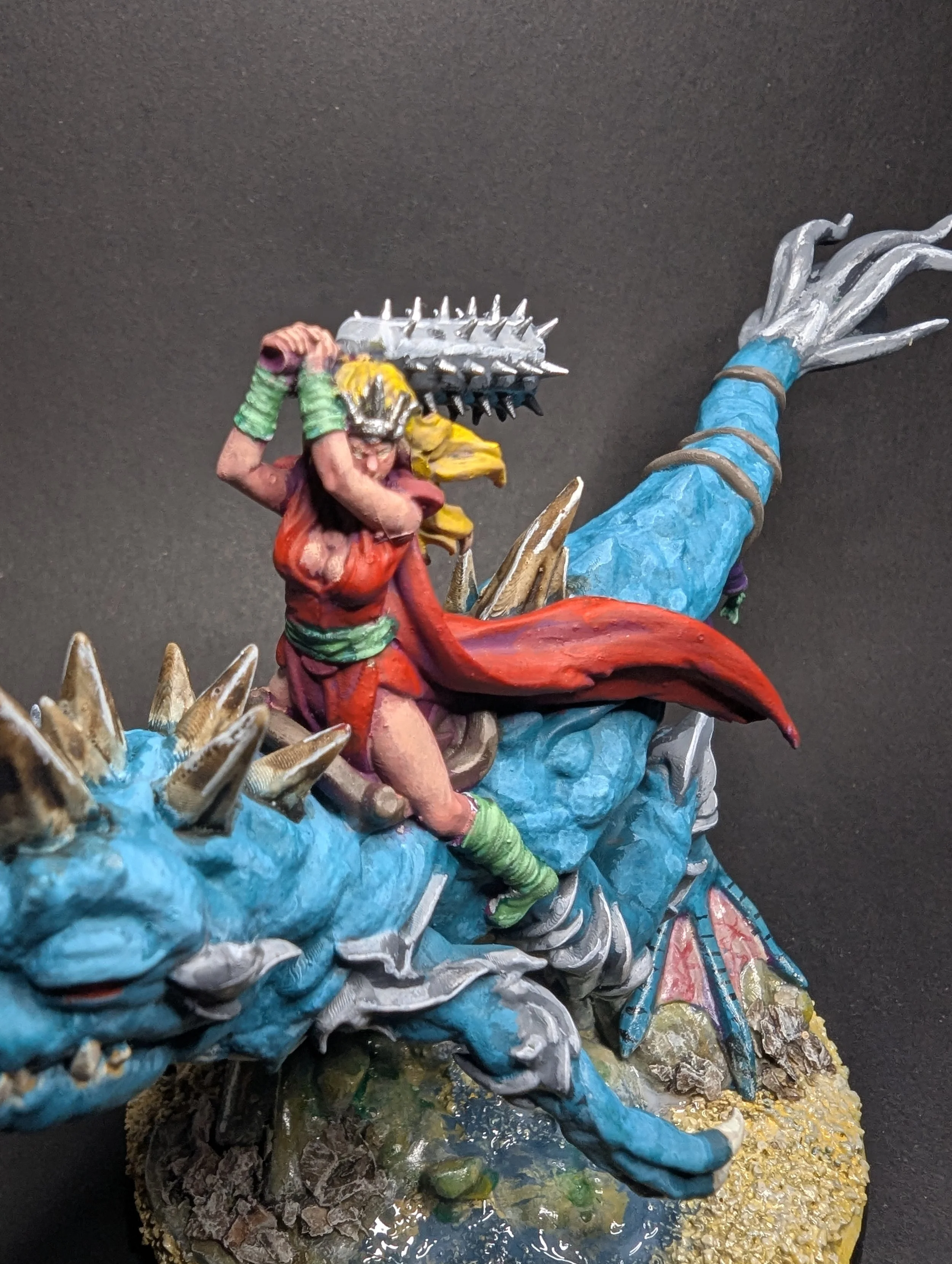
Rather than relying on darker versions of the base tone, I pushed the shadows toward deep purples and pinks on the rider before transitioning back into the mid-tones. It's something I've seen used effectively by painters far better than myself. Still, it's not a technique I've incorporated into my own work very often, and it is definitely a technique I think can really boost the atmosphere of a miniature.
What I enjoy about these colour choices is that they create interest without immediately drawing attention to themselves. From a distance, the skin still reads naturally, but on closer inspection, there are subtle colour shifts that help break up what could otherwise be a fairly flat surface. This is something I think would have improved my Darkouth Marauder from my speed paint attempt.
I also attempted this on the clothing and hair. I kept the hair a bit more subtle but really pushed it hard on the clothes. I feel it created a more mystical feeling around her, tying the shadows together.
Whether I pushed the effect far enough is another question entirely, but it's definitely a technique I'd like to continue exploring in future projects. Tell me if you think it was a hit or a miss.
Building Texture Through Highlights
The creature accompanying Takiyasha gave me a chance to try something completely different.
Rather than aiming for perfectly smooth blends, I wanted the skin to feel rougher and more textured. To achieve that, I allowed some of the highlight transitions to remain slightly uneven rather than smoothing everything out.
It's a balancing act.
Too smooth, and the skin can appear almost polished. Too rough, and it starts looking messy rather than intentional.
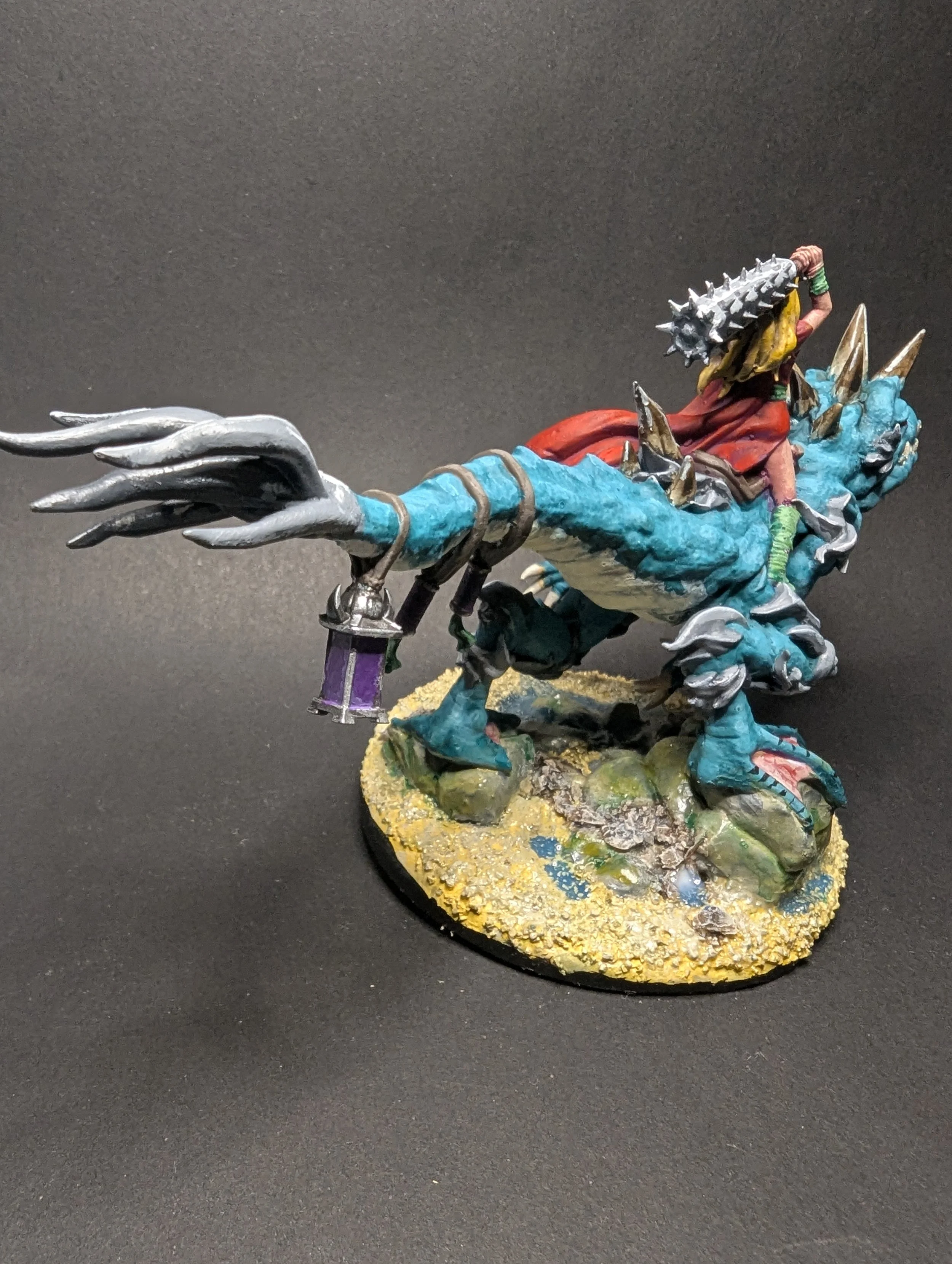
I think the result landed somewhere in the middle. The unevenness of the highlights helped create some visual texture. While it isn't exactly how I imagined it in my head, it does give the skin a more organic appearance than if I had blended everything perfectly smooth.
At the very least, it was a useful experiment. Next time, I might try stippling to create some added texture.
The Spikes That Didn't Work
Of course, for me, every project has at least one section that refuses to cooperate.
For this miniature, it was the spikes.
My original plan was to create smooth transitions along them using glazing techniques. Instead of using regular acrylic paint thinned down into a glaze, I decided to experiment with a wash, thinking the already thin paint would help smooth the transitions.
That turned out to be a mistake.
Rather than creating the controlled thin transitions I was looking for, the wash behaved exactly like a wash wants to behave: running into recesses and pooling in places I didn't want it. The result was far more difficult to control, and I spent far longer trying to correct things than I would have if I'd simply used traditional glazing from the start.
Sometimes, hobby lessons come from success.
Sometimes they come from staring at a finished model and thinking, "Well, I won't do that again."
Finishing the Base
The base was my attempt to create a small beachside tidal pool environment.
To help sell the effect, I added crushed shells and used UV resin to create the appearance of shallow water around the rocks. The resin worked well and helped add a little extra visual interest to what would otherwise have been a fairly simple base.
The shells, however, were a mixed success.
Looking at the finished piece, I think the sand and shell fragments are just a little too coarse for the scale of the miniature. The effect works in principle, but some of the texture feels oversized compared to the rest of the scene.
It's one of those details that probably stands out more to me than anyone else, but it's something I'll keep in mind for future beach-themed bases.
Worth the Rush?
If I had started earlier, there are certainly things I would have refined.
The spikes would have received another attempt. Some of the blends could have been pushed further. The base probably would have gone through a few more revisions.
But that's the reality of painting for a deadline.
At some point, you have to stop tweaking, put the brush down, and call the project finished.
Even with the flaws I see when I look at it, this miniature was full of useful experiments. Some worked. Some didn't. All of them taught me something.
And honestly, that's usually the sign of a worthwhile project.
If you'd like to see some of the other projects I've mentioned throughout this post, you can check out:
One Hour, Two Miniatures, Zero Successes
The Miniature That Measured My Progress
Pumpkin Killer – A Return to Tradition
On to the next.
And remember: always Paint Your Way